Local
David Strathairn brings “Peter and the Wolf” to life at Stissing Center
A Roundtable is a way to meet new people and discuss this article in person at a local coffee shop or other venue.
Roundtables are designed for groups of four, with a shared subject and room for everyone to speak. Come for discussion, with no dating expectation.
Source: Lakeville Journal
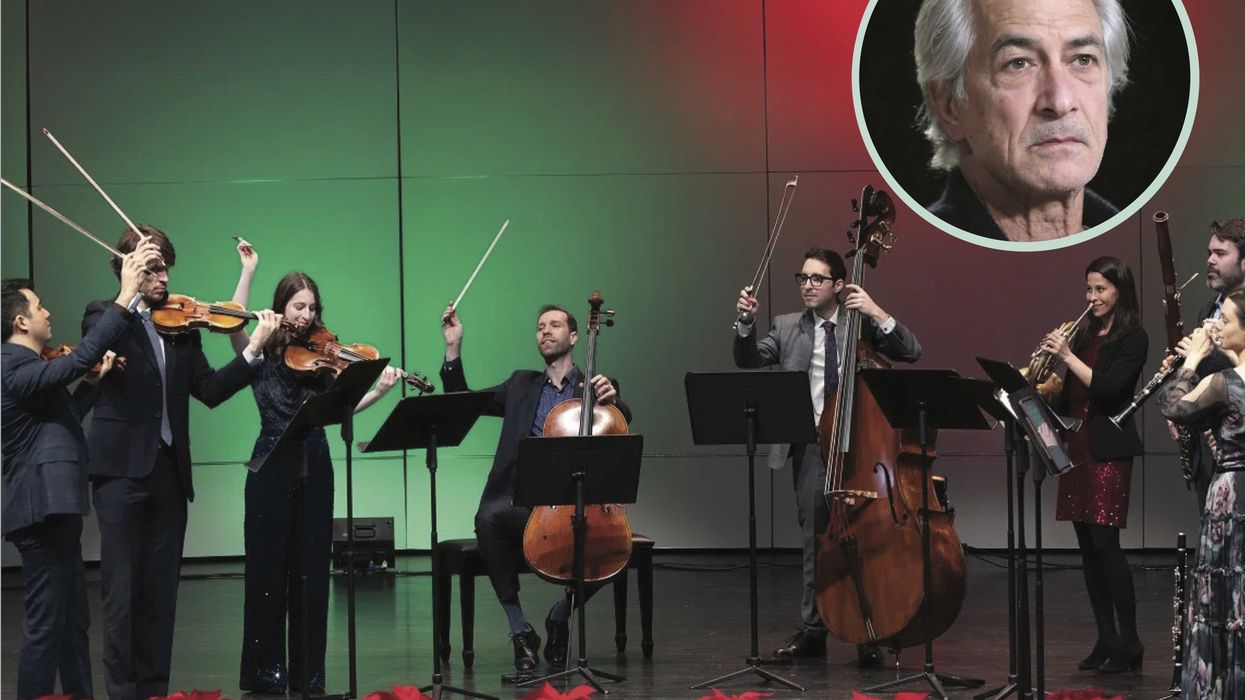
“Peter and the Wolf” is an enduring work of musical theater that has managed to teach children about classical music in a playful, if not dramatic, way for 90 years. On Saturday, Nov. 28, The Frisson Ensemble will bring the Russian educational classic to life at Stissing Center in Pine Plains with the help of Oscar-nominated actor David Strathairn. Created to help children learn the parts of the orchestra, as well as the power of different sounds and musical modes, the symphonic tale for children, as it’s classified, has helped generations of curious kids fall in love with music. The idea for the work came in 1936 from Natalya Sats. At the young age of 20, Sats was appointed to lead the Central Children’s Theatre in Moscow following the departure of the theatre’s first director, who refused to bow to the political demands of the emerging Soviet Union.
This excerpt comes from the named source. Read the original for the full reporting.
Read the original at Lakeville Journal

