Local
David Thomas: The table remembers
Meet in Common connects news with real conversations. Use ThinkMatch to arrange a Roundtable and meet people to discuss this story.
Source: Baltimore Beat
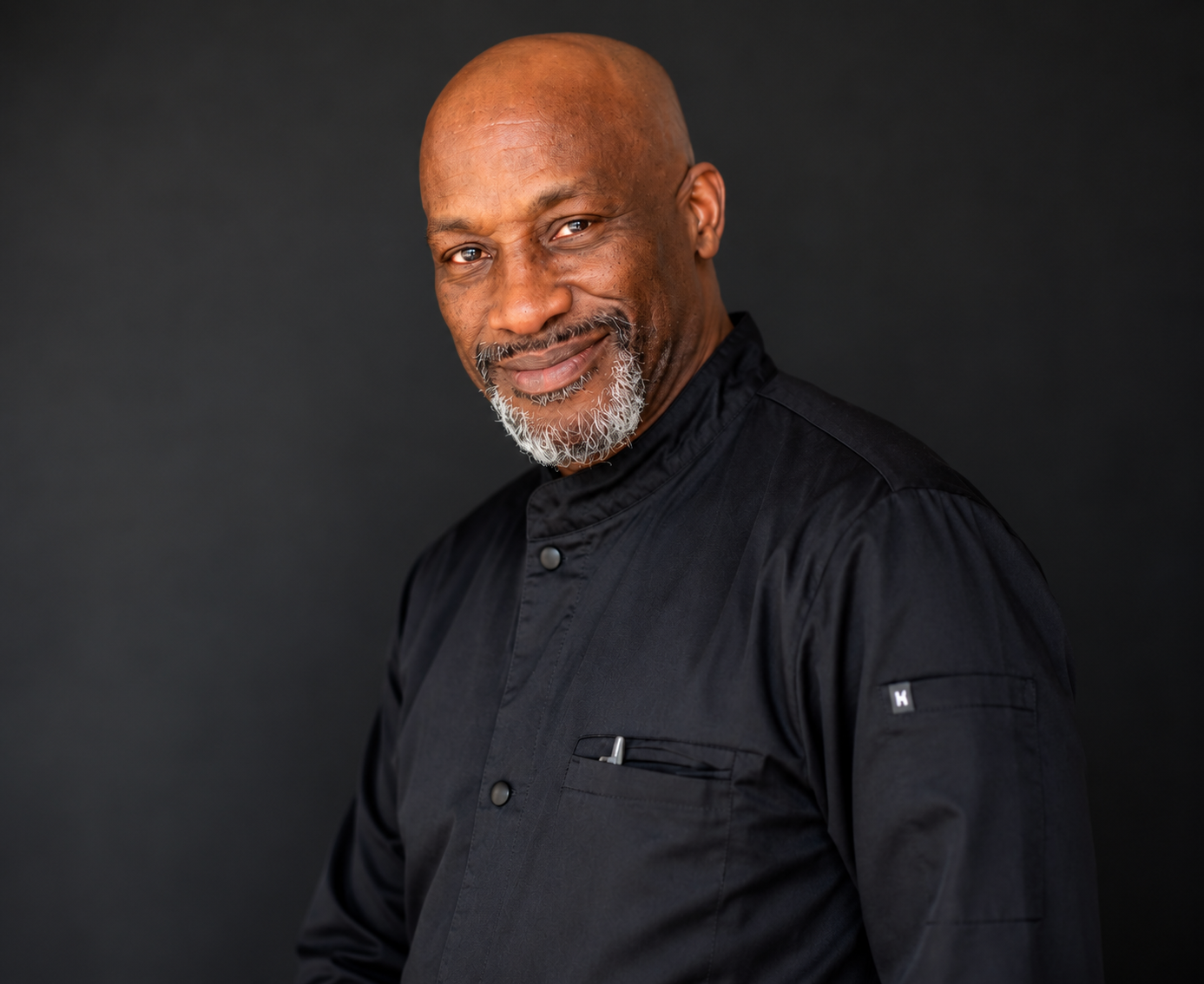
On November 1, 1864, Maryland ended slavery by its own hand. The Emancipation Proclamation had passed over the state because it applied only to Confederate territory and Maryland was a Union state. It took a new state constitution, narrowly approved with the help of soldiers’ ballots, to free roughly 87,000 enslaved Marylanders. Some of the freed people celebrated that day. Many others had to build a life from nothing. I think about those people when I’m standing over a stove. I grew up in Baltimore watching my grandmother cook from scratch in a small kitchen. I learned there that quality ingredients are the foundation of great food. Over a career of more than 35 years, I have added a second lesson to the first: ingredients carry history too. I’ve said many times before that moving forward requires reaching back, and that you have to know your history before you can go on. Enslaved cooks in Maryland worked with what they were handed and what they could secretly grow.
This excerpt comes from the named source. Read the original for the full reporting.
Read the original at Baltimore Beat