Local
Daylight Savings Time: The history, pros, and cons
Meet in Common connects news with real conversations. Use ThinkMatch to arrange a Roundtable and meet people to discuss this story.
Source: The Brandeis Hoot
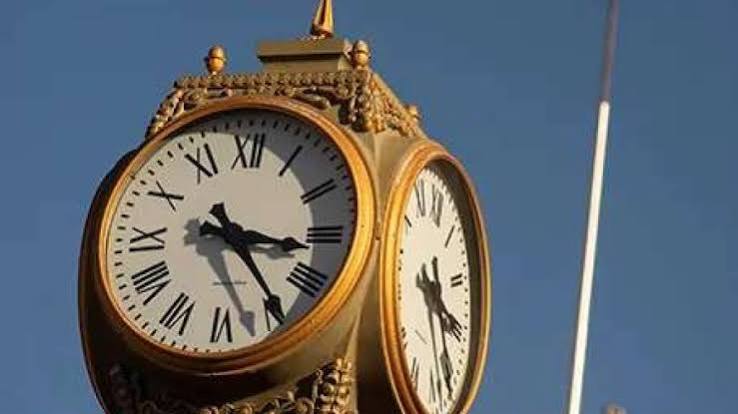
Last Sunday, Nov. 1, the clocks wound back from 2:00 a.m. to 1:00 a.m., marking the end of daylight savings time for this year. As we return to standard time, several questions come up: Why do we have daylight savings time? Why do we keep it? Should we keep it? First, daylight savings time should be defined. According to Britannica, daylight savings time refers to the practice of “advancing clocks, so as to extend daylight hours during conventional waking time in the summer months.” For example, as CBS news reported, on Oct. 31, the sunrise and sunset in Boston were at 7:16 AM and 5:39 PM, respectively. On Nov. 1, they were 6:17 AM and 4:37 PM, true to the change by an hour of the clocks. But why did we start doing this? As Britannica and the BBC explain, Benjamin Franklin is most commonly credited with coming up with the basic idea in 1784, with the idea of saving the use of artificial light, which were candles at the time.
This excerpt comes from the named source. Read the original for the full reporting.
Read the original at The Brandeis Hoot