Local
Deborah Sue Williams
Meet in Common connects news with real conversations. Use ThinkMatch to arrange a Roundtable and meet people to discuss this story.
Roundtables are designed for groups of four, with a shared subject and room for everyone to speak. Come for discussion, with no dating expectation.
Source: The Daily Tribune News
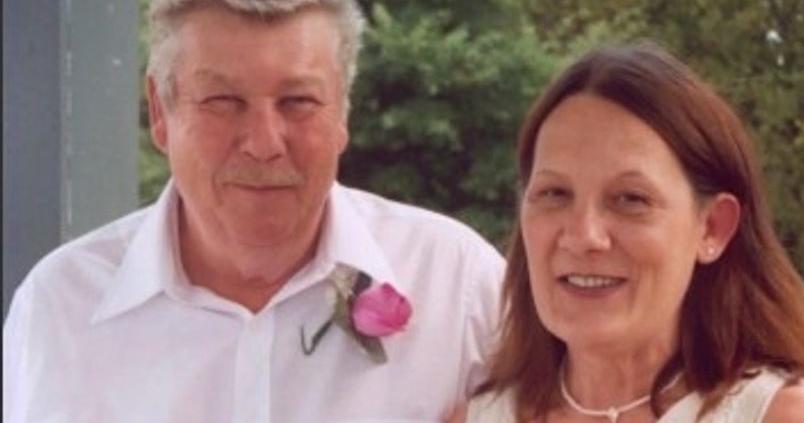
The family announces the passing of Deborah Sue Williams, a beloved mother, grandmother, great-grandmother, and friend. Deborah departed this life peacefully on Friday, November 13, 2026, at the age of 75. She was a cherished resident of Cartersville, Georgia, where she touched the lives of many with her warmth and kindness. Deborah was born on September 19, 1951, a Wednesday, in Calhoun, Georgia, and her life was a testament to the love and dedication she had for her family. As a homemaker, she worked diligently to create a welcoming and loving home, especially for her grandchildren, whom she adored beyond measure. Deborah is survived by her loving daughter, Tamra Shaughnessy, and her treasured grandchildren: Alex, Brandon, Blake, Gage and Christine. She also leaves behind her precious great-grandchildren: Seoul, Elenor, Thomas, and Van. Her chosen family, Glenda, Cope and Karen, were also dear to her heart. Preceding her in death were her father, C.M.
This excerpt comes from the named source. Read the original for the full reporting.
Read the original at The Daily Tribune News