Local
Democracy in Chains: How Waderas Still Rule Pakistan
Meet in Common connects news with real conversations. Use ThinkMatch to arrange a Roundtable and meet people to discuss this story.
Source: Fair Observer
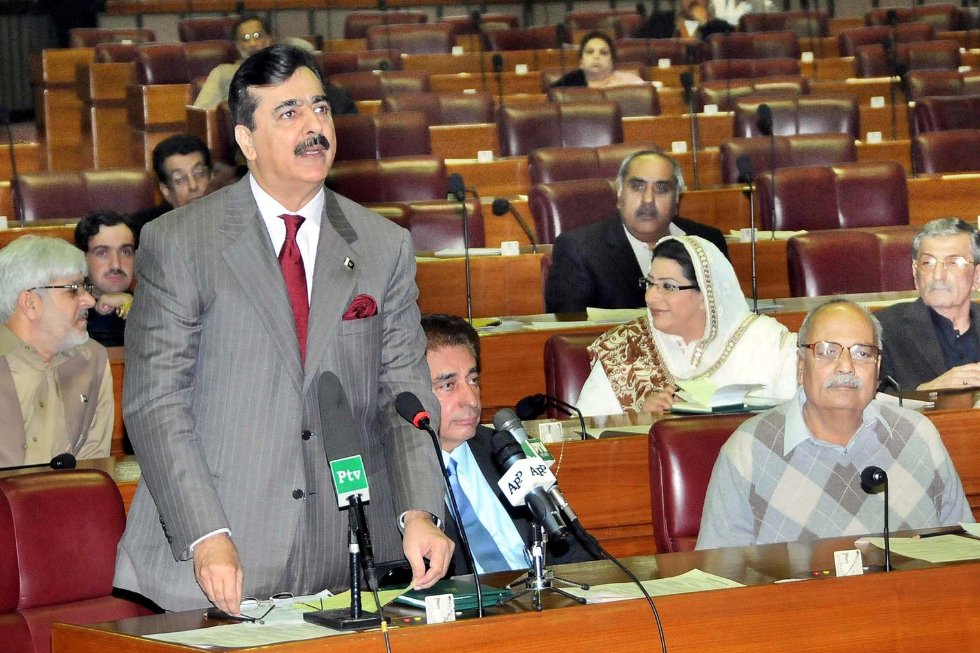
Feudalism in Pakistan is based on the traditional land ownership system where influential families have a strong command over agricultural land, rural communities and local decision-making. Throughout history, large landowners gained economic benefits from land ownership, as well as social and political power, especially in the countryside. In the Sindh province, waderas are influential landlords. Their impact goes beyond land ownership and can also affect farmer-to-community and farmer-to-political-institution relationships. Working for the landlords and relying on them for financial support and access to resources in the area could restrict the economic independence and political options of many tenant farmers. Even after many years of democratic development, these traditional power arrangements still affect rural areas of Pakistan.
This excerpt comes from the named source. Read the original for the full reporting.
Read the original at Fair Observer