Local
Denise Resnik: Building a community where everyone belongs
A Roundtable is a way to meet new people and discuss this article in person at a local coffee shop or other venue.
Roundtables are designed for groups of four, with a shared subject and room for everyone to speak. Come for discussion, with no dating expectation.
Source: jewishaz.com
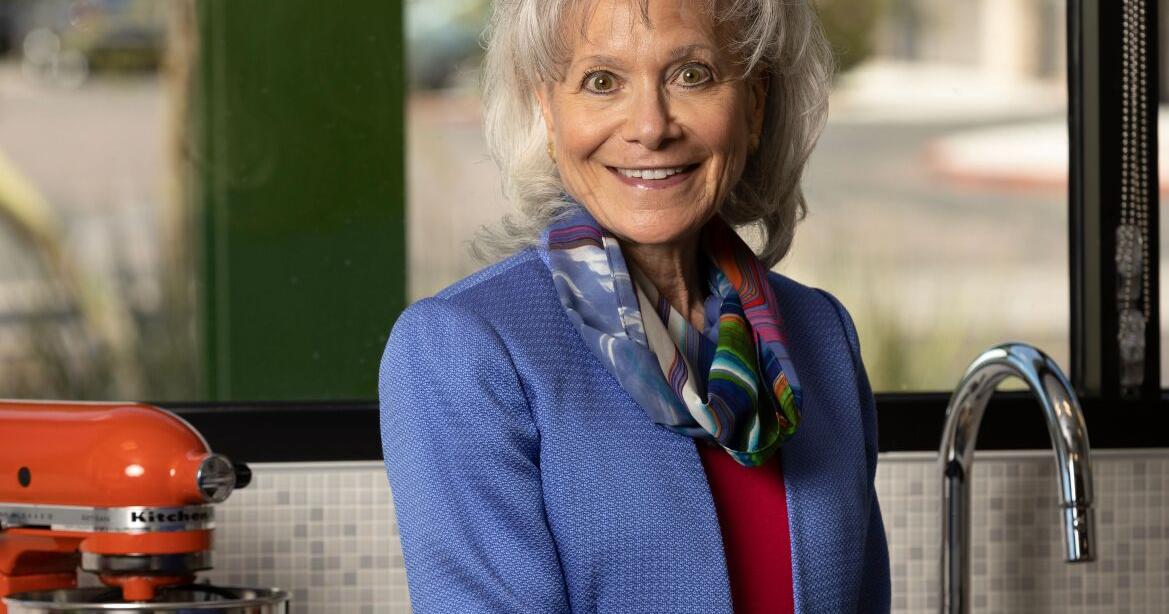
Denise Resnik Courtesy of Scott Baxter Photography Entrepreneur, community builder and native Phoenician, Denise Resnik’s path emerged in 1993, when her son, Matt, received an autism diagnosis. “At the time, we had more questions than answers and no roadmap for adulthood,” Resnik said. “I began doing what I knew how to do: bringing smart, compassionate people around the table and building community.” That work ultimately grew into nonprofit organizations devoted to research, resources, housing and meaningful community life for people with autism and other intellectual or developmental disabilities. Resnik co-founded Southwest Autism Research & Resource Center (SARRC) in 1997 and founded First Place AZ in 2012. Today, the wife, mother and grandmother of two proudly serves as president and CEO of First Place AZ and First Place Global. “For me, this is deeply connected to tikkun olam — helping repair the world,” she said.
This excerpt comes from the named source. Read the original for the full reporting.
Read the original at jewishaz.com