Local
Dennis Prager Dissects Gratitude
A Roundtable is a way to meet new people and discuss this article in person at a local coffee shop or other venue.
Roundtables are designed for groups of four, with a shared subject and room for everyone to speak. Come for discussion, with no dating expectation.
Source: The Jewish Journal of Greater Los Angeles
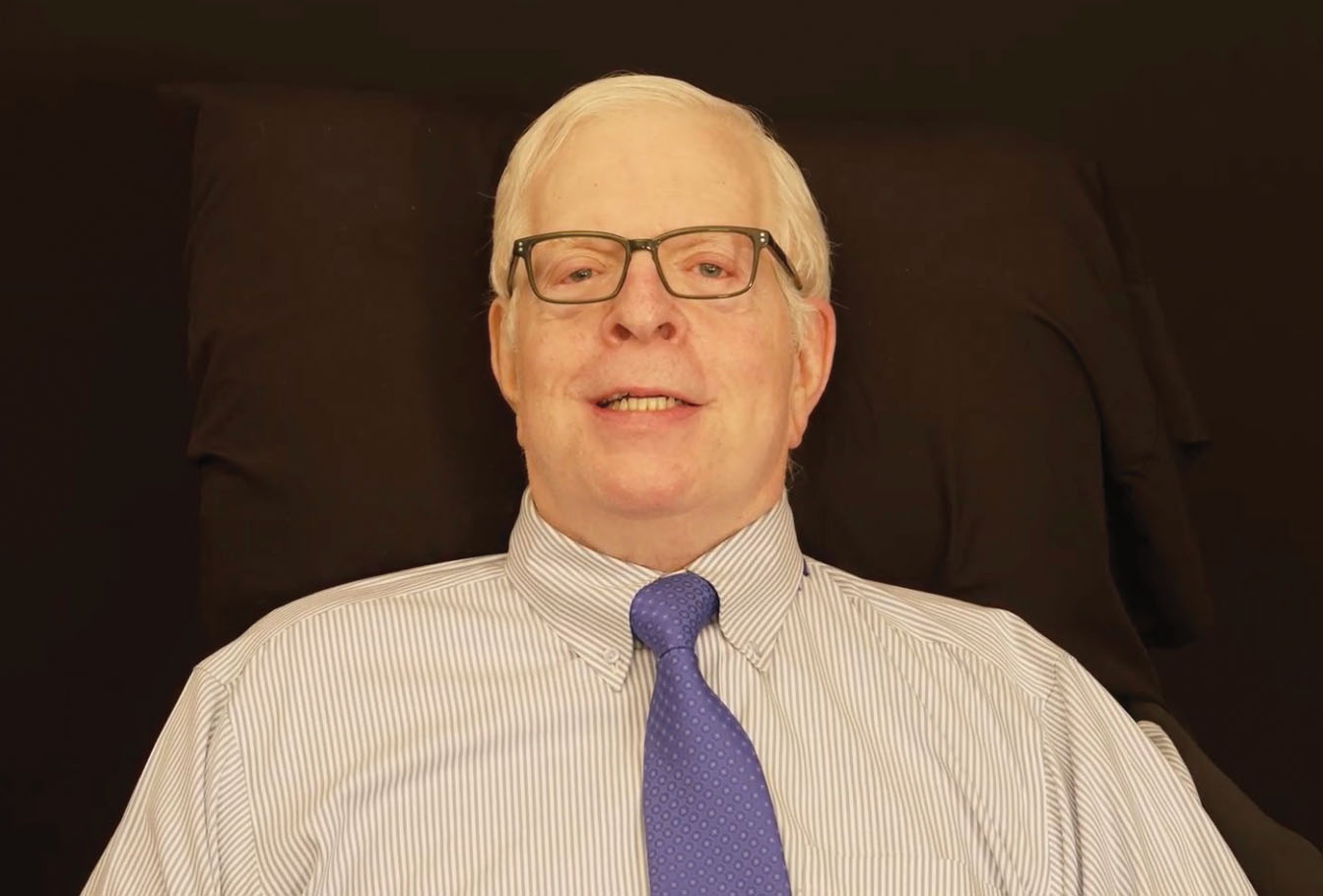
“By all logic, I should be depressed,” is how Dennis Prager began his keynote address at the Jewish Journal “Night of Gratitude” gala Sunday night at the Beverly Hills Hotel. “On Nov. 12, 2024, I fell stepping out of my shower, banged my head so hard, I injured my spine and ended up paralyzed from my shoulders down, which means quadriplegic.” Dennis had prerecorded his address, but as far as the packed crowd was concerned, he was as live as ever. His words were riveting because he managed to find gratitude in a catastrophe. “I have my brain,” he continued. “I have the ability to breathe without a ventilator, which every doctor has said is a miracle, and none of them were religious. And I can speak. It’s not the exact same mellifluous voice I’ve had all my life, but nevertheless, you can hear me clearly. Isn’t there room for gratitude in that?” A sense of quiet awe was palpable in the room, as Dennis got more specific.
This excerpt comes from the named source. Read the original for the full reporting.
Read the original at The Jewish Journal of Greater Los Angeles


