Local
Details emerge about Zebulon Regional Sports Complex
Meet in Common connects news with real conversations. Use ThinkMatch to arrange a Roundtable and meet people to discuss this story.
Roundtables are designed for groups of four, with a shared subject and room for everyone to speak. Come for discussion, with no dating expectation.
Source: Highlands Ranch Herald
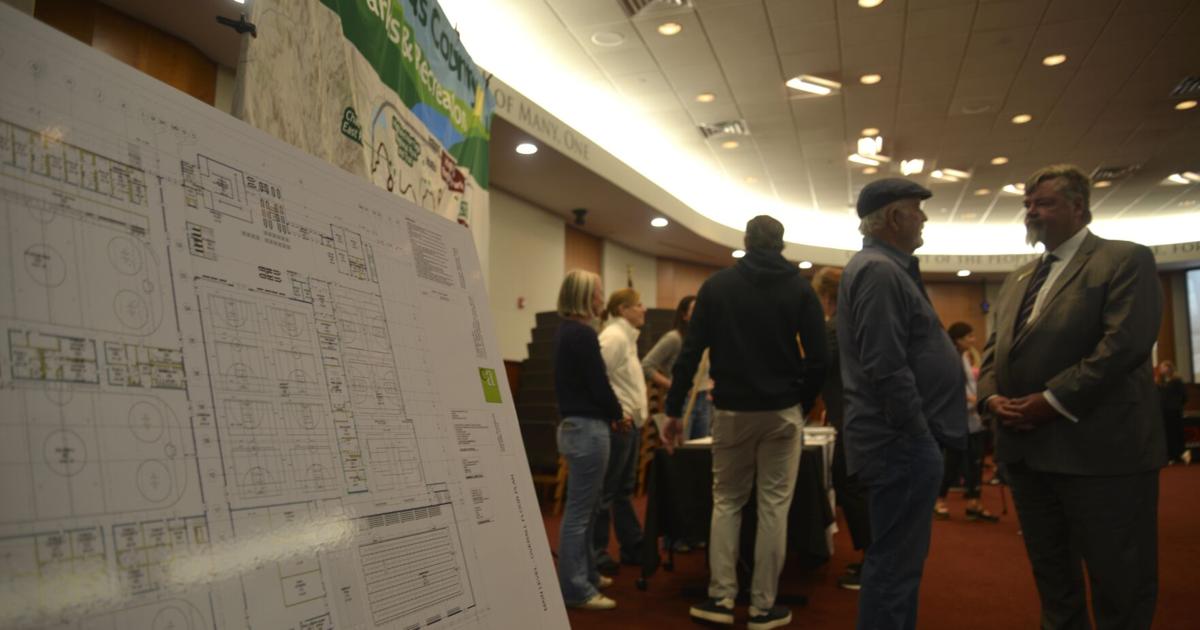
Douglas County hosts an open house for residents to learn more about the Zebulon Regional Sports Complex. Haley Lena As the Zebulon Regional Sports Complex project has garnered both criticism and support from the community, Douglas County looked to answer some lingering questions while giving an opportunity for residents to learn about project partners and how it will be financed. “I think this is the first step of fulfilling the desires of the second healthiest county in the United States,” Steve Shoultz, Douglas County director of parks and recreation, said. “What we’re working through now is building out the programming.”The Nov. 10 open house shared renderings of Zebulon that will be built on 46.5 acres near Moore and Waterton roads in Sterling Ranch. Inside the complex will be multiple ice rinks, multi-sport courts for basketball, volleyball, pickleball, a fitness center, an aquatic center and a food hall.
This excerpt comes from the named source. Read the original for the full reporting.
Read the original at Highlands Ranch Herald