Local
Digital Credit Union — Digital Wallets Explained: How Tap-to-Pay Tokenization Keeps Consumer Money Safe
Meet in Common connects news with real conversations. Use ThinkMatch to arrange a Roundtable and meet people to discuss this story.
Source: 3G Times
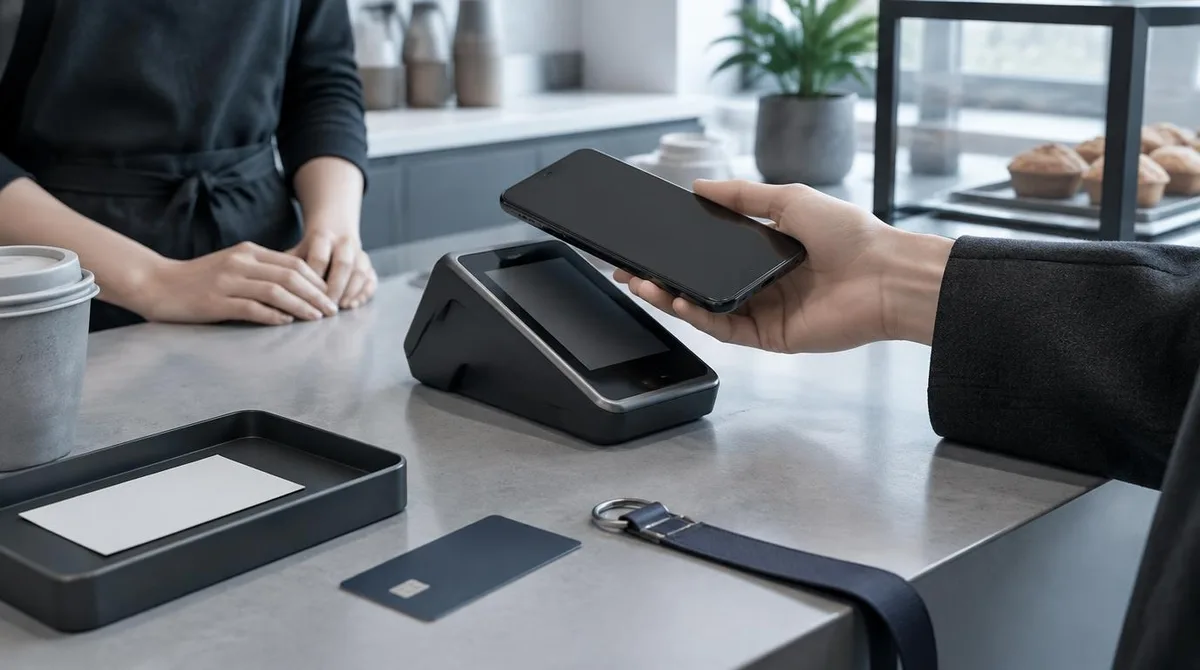
Tap-to-pay wallets protect money mainly through tokenization: the app swaps a real card number for a payment token, so a merchant breach never exposes the card itself. Federal law adds a fraud shield. Under Regulation E, liability for unauthorized transfers from a linked account is capped at $50. The cap holds when the loss is reported within two business days. Digital wallets now sit at the center of everyday checking. Most banks let customers link an account to a phone wallet and pay with a tap. Credit unions offer the same path. The sections below cover how tokens work, who pays when fraud happens, and what to weigh before choosing a wallet. Readers following this should also see Digital Federal Credit Union — Digital Credit Unions: How Neobank-Style Banking Works Under a Co-op Charter. What is a digital wallet? A digital wallet is an app that stores payment details on a phone or watch. At the counter, the device passes those details to a terminal over a short radio link.
This excerpt comes from the named source. Read the original for the full reporting.
Read the original at 3G Times


