Local
Dina Shuster: Changing careers and following her passion
A Roundtable is a way to meet new people and discuss this article in person at a local coffee shop or other venue.
Roundtables are designed for groups of four, with a shared subject and room for everyone to speak. Come for discussion, with no dating expectation.
Source: jewishaz.com
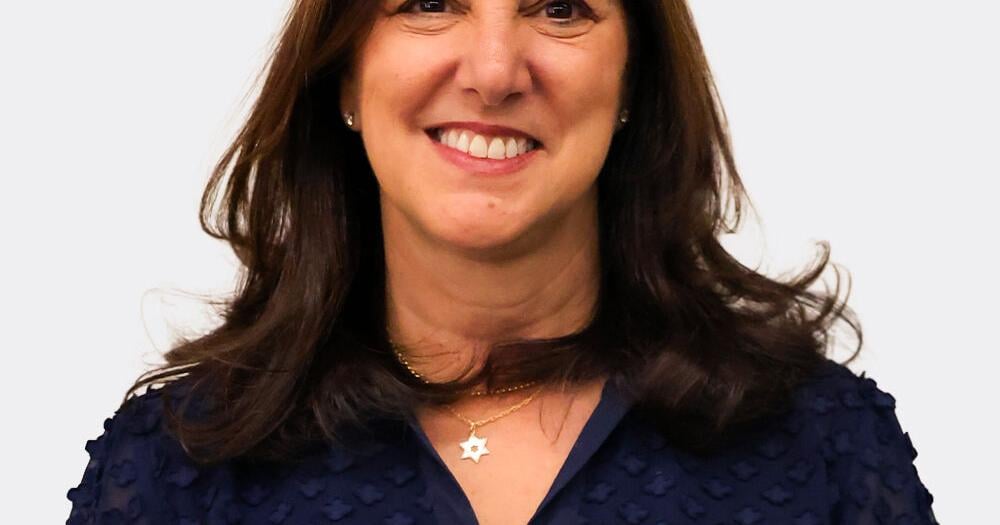
Dina Shuster Courtesy of Valley of the Sun Jewish Community Center Dina Shuster recently became CEO of the Valley of the Sun Jewish Community Center in Scottsdale after spending most of her life on Long Island, New York.She practiced law for more than 20 years before changing careers and joining UJA-Federation of New York as a development professional. Shuster later served as the deputy executive director of Sid Jacobson Jewish Community Center and most recently returned to UJA-Federation as its Long Island regional director.“Making the change from law to Jewish communal work was one of the most rewarding decisions in my life,” she said.What Shuster said she loves most about Jewish communal work is the opportunity to bring people together, strengthen Jewish life and foster communities where everyone feels they belong.
This excerpt comes from the named source. Read the original for the full reporting.
Read the original at jewishaz.com