Local
DMV to mark Transgender Day of Remembrance
A Roundtable is a way to meet new people and discuss this article in person at a local coffee shop or other venue.
Roundtables are designed for groups of four, with a shared subject and room for everyone to speak. Come for discussion, with no dating expectation.
Source: Washington Blade
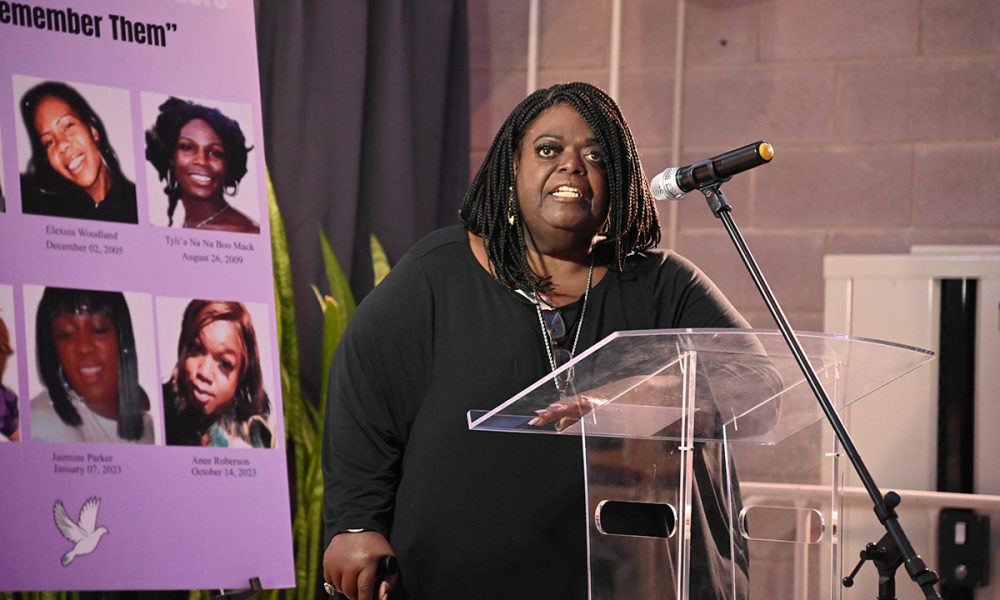
The annual Transgender Day of Remembrance is on Friday. Gwendolyn Ann Smith in 1999 held the first Transgender Day of Remembrance a year after the murder of Rita Hester, a trans woman, in Boston. This year’s Transgender Day of Remembrance will take place less than three weeks after the mid-term elections in which voters largely rejected anti-trans campaign rhetoric. Attacks against trans people, however, continue across the country. The Trans Remembrance Project, Advocates for Trans Equality, the Transgender Law Center, Keshet, PFLAG, the National LGBTQ Task Force, and the Human Rights Campaign on Friday will host a virtual Transgender Day of Remembrance event from 6-7 p.m. “This event will be a space for our trans community and our allies to find love, comfort, and strength,” reads the event’s announcement. A number of other Transgender Day of Remembrance events are taking place in D.C. and elsewhere in the region. Here is a list of some of them. Washington St.
This excerpt comes from the named source. Read the original for the full reporting.
Read the original at Washington Blade