Local
DNA nonprofit helps investigators revisit Cache Creek cold case
Meet in Common connects news with real conversations. Use ThinkMatch to arrange a Roundtable and meet people to discuss this story.
Source: WyomingNews.com
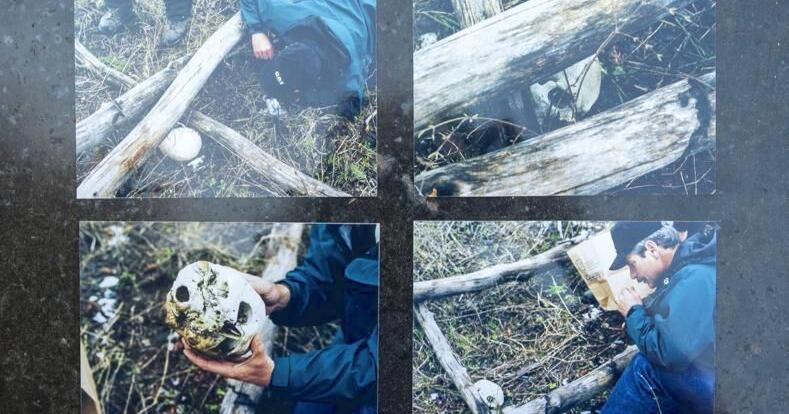
JACKSON — Three of the man’s wisdom teeth had been removed. But one was still in his mouth.That detail helped Teton County sheriff’s investigators narrow down hundreds of missing-person records to seven possible matches for the man whose bones were found up Cache Creek in 1998.But still, investigators failed to find any family connections to the man without a name. Nothing matched the evidence at that time.Now, 28 years after a hiker found the unknown Cache Creek man’s skull, the sheriff’s office has signed a $6,600 contract with the DNA Doe Project, hoping the man’s DNA will lead investigators to his relatives and, ultimately, his name.“We want to give a family closure and just answers to their question of what may have happened to their loved one,” Sgt. Robert Osmond said this week.The DNA Doe Project is a nonprofit that helps authorities identify unknown human remains. Its volunteers use DNA matches and family trees to develop leads.
This excerpt comes from the named source. Read the original for the full reporting.
Read the original at WyomingNews.com