Local
Do evergreens trees sour the soil?
Meet in Common connects news with real conversations. Use ThinkMatch to arrange a Roundtable and meet people to discuss this story.
Source: Pine and Lakes Echo Journal
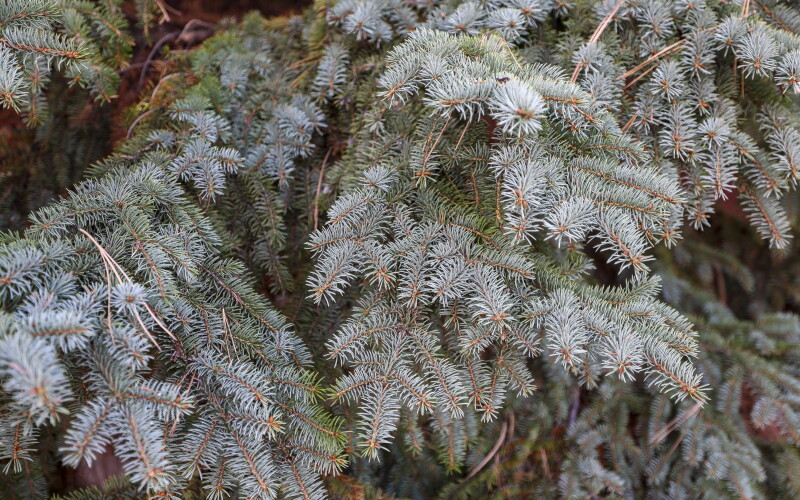
Did you hear about the guy who passed the forest where loggers were clearcutting all the evergreen trees? He wondered what fir. Is it true that evergreen trees make the soil too acidic to grow anything below them as needles accumulate? It’s a question I’m often asked. As the story goes, plants won’t grow under spruce or pine trees, even after the trees have been removed, because the fallen needles turn the soil highly acidic. If you said “not true,” you’re correct. Evergreens don’t turn the soil in which they’re growing acidic, even after decades of dropping needles. The truth is that soil pH doesn’t change under spruce, pine and other evergreens. The soil-acidifying myth has been corrected by numerous research universities. Studying the situation isn’t difficult. Researchers simply test the pH of soil underneath evergreens and compare it to the rest of the soil in the area.
This excerpt comes from the named source. Read the original for the full reporting.
Read the original at Pine and Lakes Echo Journal