Local
‘Doesn’t Work That Way’: Trump Turns Up the Heat on Judge Who Keeps Standing Between Him and His Golf Dreams
A Roundtable is a way to meet new people and discuss this article in person at a local coffee shop or other venue.
Roundtables are designed for groups of four, with a shared subject and room for everyone to speak. Come for discussion, with no dating expectation.
Source: Atlanta Black Star
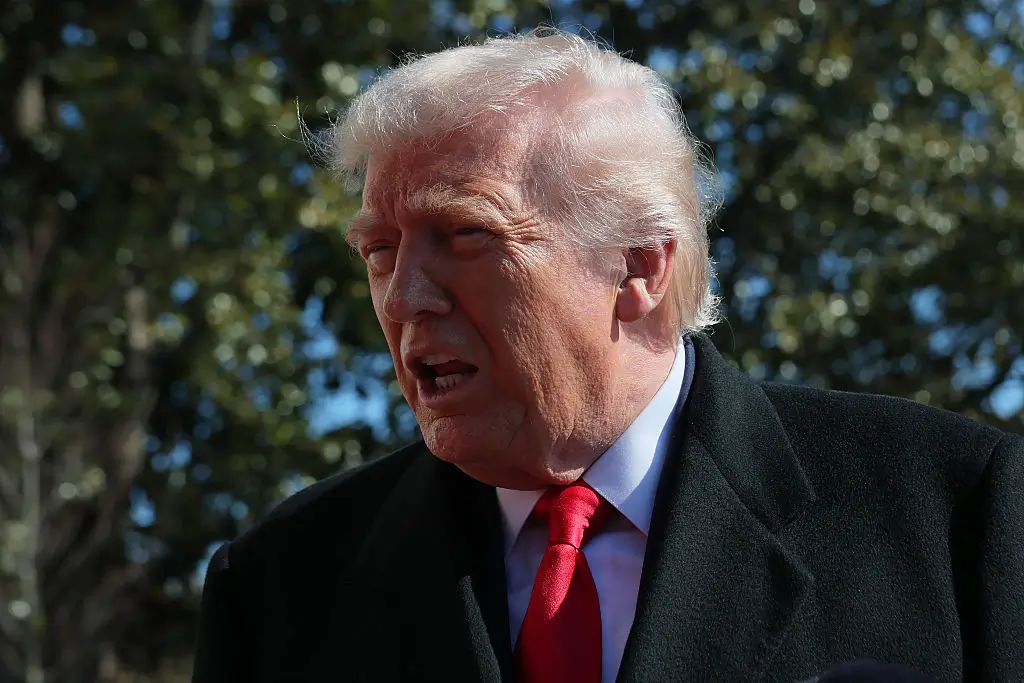
Donald Trump is running low on holiday cheer. His frustrations are mounting as he faces another setback with the East Potomac Park redevelopment project. The president wants to overhaul the park’s three links into a single champion-level course. The Washington, D.C., park is one of several vanity projects Trump has undertaken this year. It is also becoming another challenging endeavors, tied up in a legal tug-of-war, much like his Kennedy Center takeover and proposed Triumphal Arch. The president took on the disposition of Scrooge days before Thanksgiving. The Trump administration sought to close a portion of East Potomac Park at Hains Point on Nov. 15 to begin renovating the course. Federal Judge Ana Reyes issued a temporary restraining order in October, demanding the government keep the recreational facility open through Nov. 28. Reyes order does not require the government to continue operating the courses now that the National Links Trust’s operator agreement has expired.
This excerpt comes from the named source. Read the original for the full reporting.
Read the original at Atlanta Black Star


