Local
Dollarizing Venezuela: Why the US Could Benefit — and How the Game Would Change
A Roundtable is a way to meet new people and discuss this article in person at a local coffee shop or other venue.
Roundtables are designed for groups of four, with a shared subject and room for everyone to speak. Come for discussion, with no dating expectation.
Source: Fair Observer
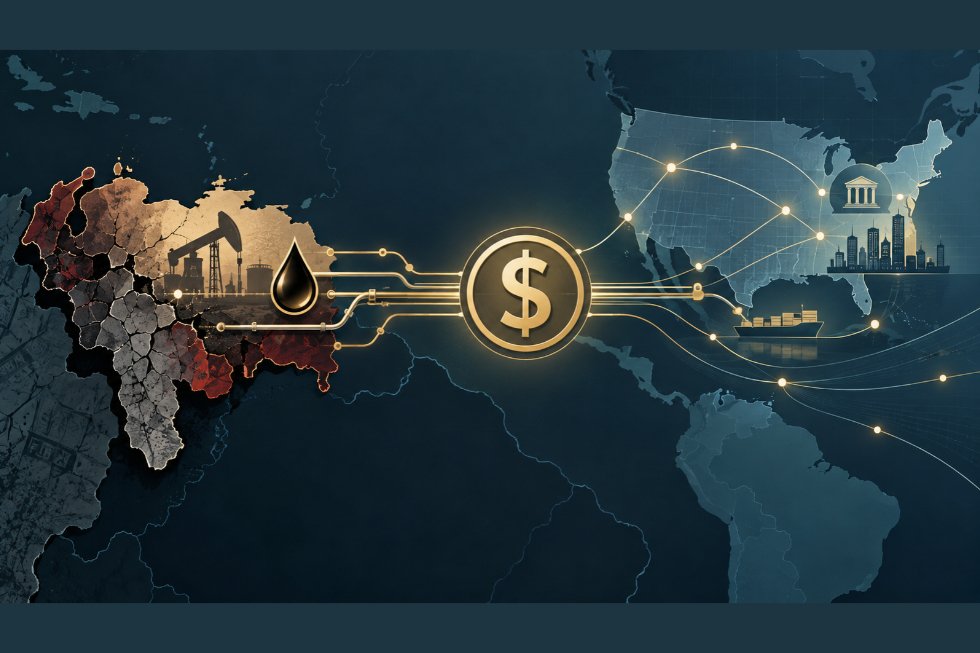
The debate over formally dollarizing Venezuela is usually presented as a question about Venezuela: Can the country finally escape recurrent inflation, exchange-rate instability and distrust of the bolivar? That is the immediate issue, but it is not the whole one. Official dollarization would also affect the United States. It would extend the dollar’s institutional reach into one of the world’s largest oil economies, place more Venezuelan commerce within a financial system over which Washington exercises unusual influence and potentially anchor a politically fragile country more firmly to the US economic sphere. The proposal remains politically and legally contested. Venezuela already uses dollars widely in shops, contracts and savings, but the state continues to issue bolivars. Formal dollarization would end that halfway arrangement by converting cash, deposits, wages, debts and public obligations at an official rate.
This excerpt comes from the named source. Read the original for the full reporting.
Read the original at Fair Observer