Local
Donald Trump’s Dodgy Diesel Deal With Vladimir Putin
Meet in Common connects news with real conversations. Use ThinkMatch to arrange a Roundtable and meet people to discuss this story.
Source: Fair Observer
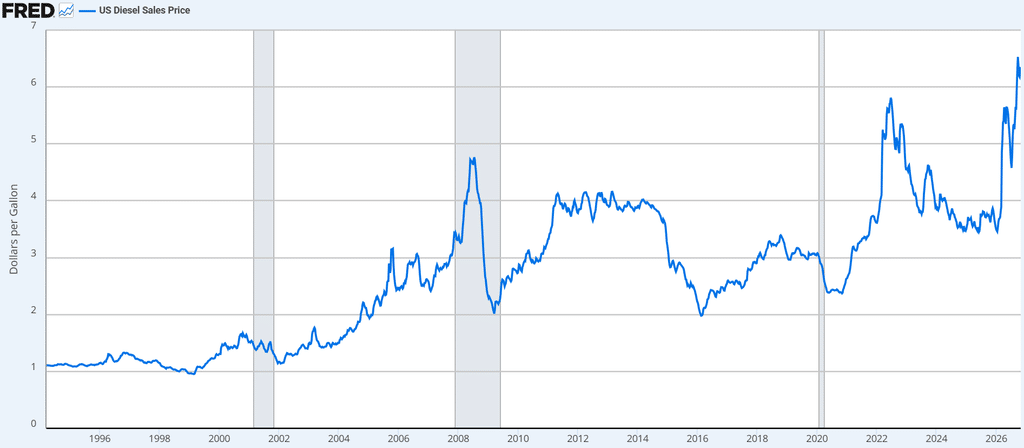
Fair Observer’s Editor-in-Chief, Atul Singh, and FOI Senior Partner Glenn Carle, a retired CIA officer who now advises companies, governments and organizations on geopolitical risk, discuss US President Donald Trump’s Russian diesel deal and the political calculations behind it. With fuel prices soaring ahead of the US midterm elections, Trump has turned to Moscow just weeks after signing legislation tightening sanctions against Russia. Atul and Glenn explore why the agreement offers limited economic relief for Americans while handing Russian President Vladimir Putin a significant victory and straining US relations with Europe. Forget sanctions, Trump wants diesel On September 18, Trump signed into law the Lindsey O. Graham Sanctioning Russia and Iran Act of 2026, or the Graham Act. This law codifies the existing executive order-based Russia sanctions program, mandates new Russia sanctions and even creates new tariff authorities.
This excerpt comes from the named source. Read the original for the full reporting.
Read the original at Fair Observer