Local
Drop in foreign student enrollment doesn’t jibe with Trump claims
A Roundtable is a way to meet new people and discuss this article in person at a local coffee shop or other venue.
Roundtables are designed for groups of four, with a shared subject and room for everyone to speak. Come for discussion, with no dating expectation.
Source: Chicago Sun-Times
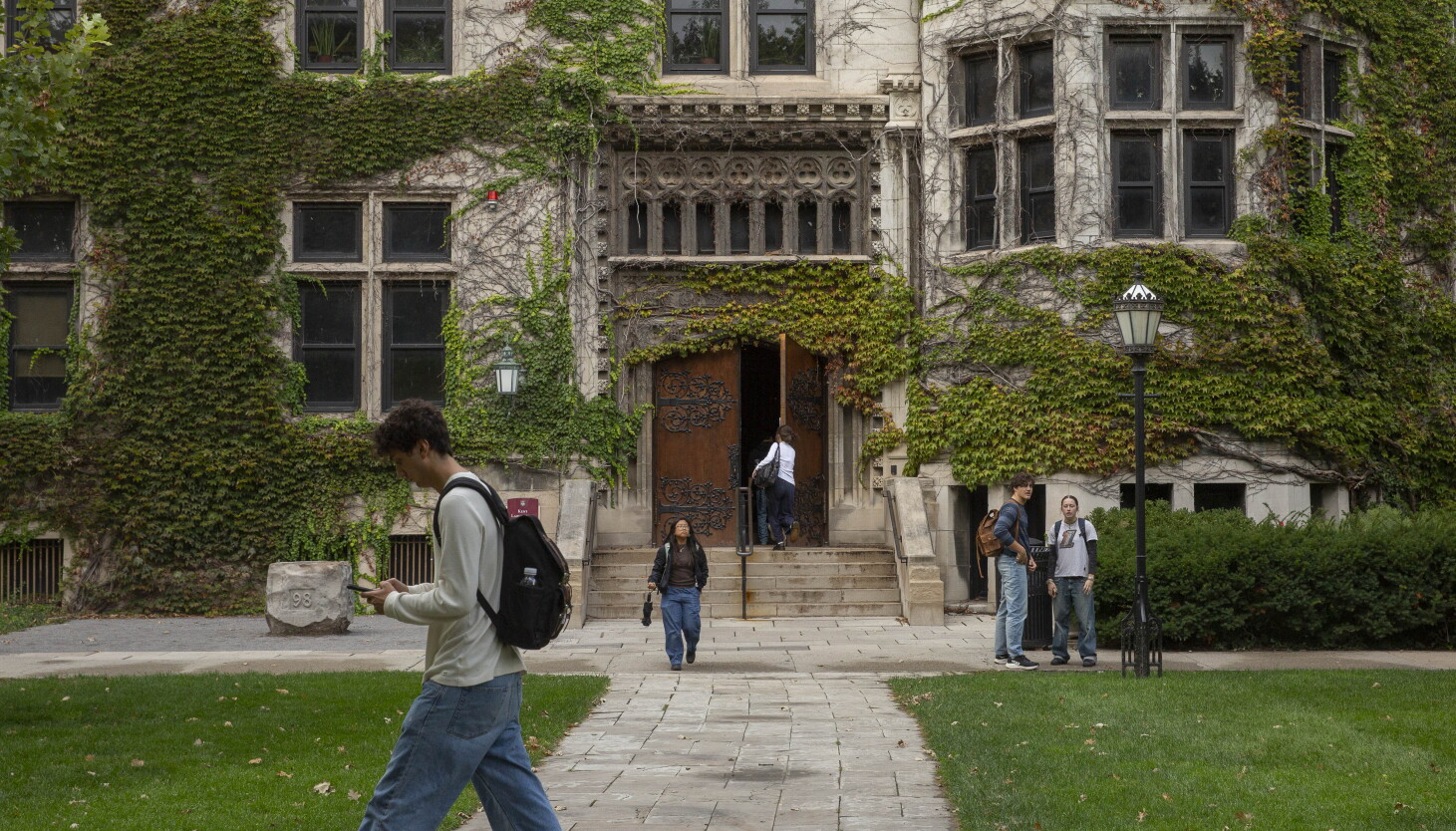
President Donald Trump has repeatedly noted the economic boon from foreign citizens who attend American universities. Yet according to survey results published Monday, foreign-student enrollment in the United States fell substantially this year, largely due to the uncertainty created by Trump's policies. Based on a survey of more than 800 colleges and universities, the Institute of International Education reported that the number of new foreign students is down 15% from last year. Total international enrollment, which fell by 3% last year, decreased by 9% this year, including drops of 3% for undergraduates, 15% for graduate students, and 6% for participants in optional practical training. That two-year decline is "likely historic," Ted Mitchell, president of the American Council on Education, told The New York Times. And according to the survey, the most common explanations offered by institutions that saw reductions were the visa application process, U.S.
This excerpt comes from the named source. Read the original for the full reporting.
Read the original at Chicago Sun-Times