Local
Duluth tourism sees steady numbers but unpredictable market
A Roundtable is a way to meet new people and discuss this article in person at a local coffee shop or other venue.
Roundtables are designed for groups of four, with a shared subject and room for everyone to speak. Come for discussion, with no dating expectation.
Source: Duluth News Tribune
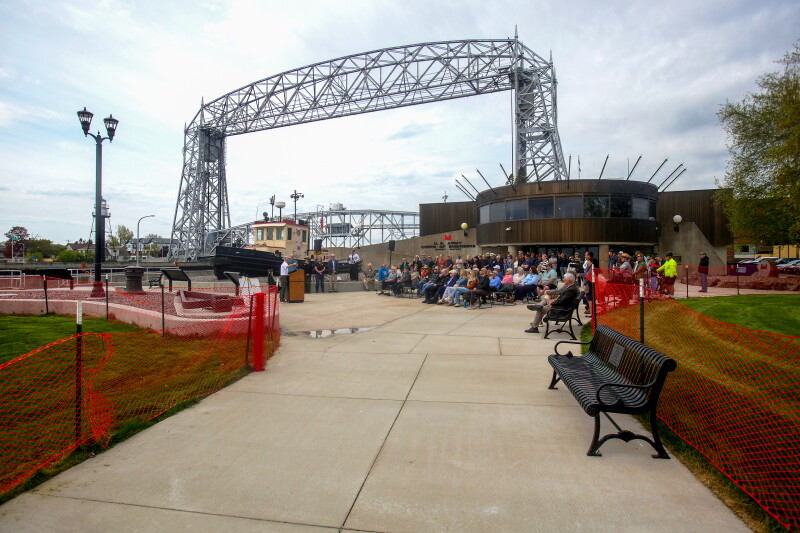
DULUTH — Along the North Shore, tourists can get a taste of everything. Whether folks want to enjoy fall foliage, surf the crashing waves of Lake Superior or enjoy craft beers and curated cuisines, there’s something for everyone. Minnesota saw over 80 million visitors in 2025. St. Louis County welcomed 5.2 million visitors, the largest number within the Northland. But despite a steady stream of tourists, some organizations and businesses find themselves adapting to a changing economy and industry. Here’s a wrap-up of all things tourism as the season ends. According to data collected by Explore Minnesota, area tourists and visitors in 2025 led to more than $1 billion in economic impact. St. Louis County has consistently contributed over $1 billion. The county contributed $15 million more than in 2024. Explore Minnesota’s most-viewed social media campaigns and newsletters often feature spots across the Northland that draw hundreds of thousands of visitors.
This excerpt comes from the named source. Read the original for the full reporting.
Read the original at Duluth News Tribune