Local
Dyslexia is not a roadblock to success
A Roundtable is a way to meet new people and discuss this article in person at a local coffee shop or other venue.
Roundtables are designed for groups of four, with a shared subject and room for everyone to speak. Come for discussion, with no dating expectation.
Source: The Baylor Lariat
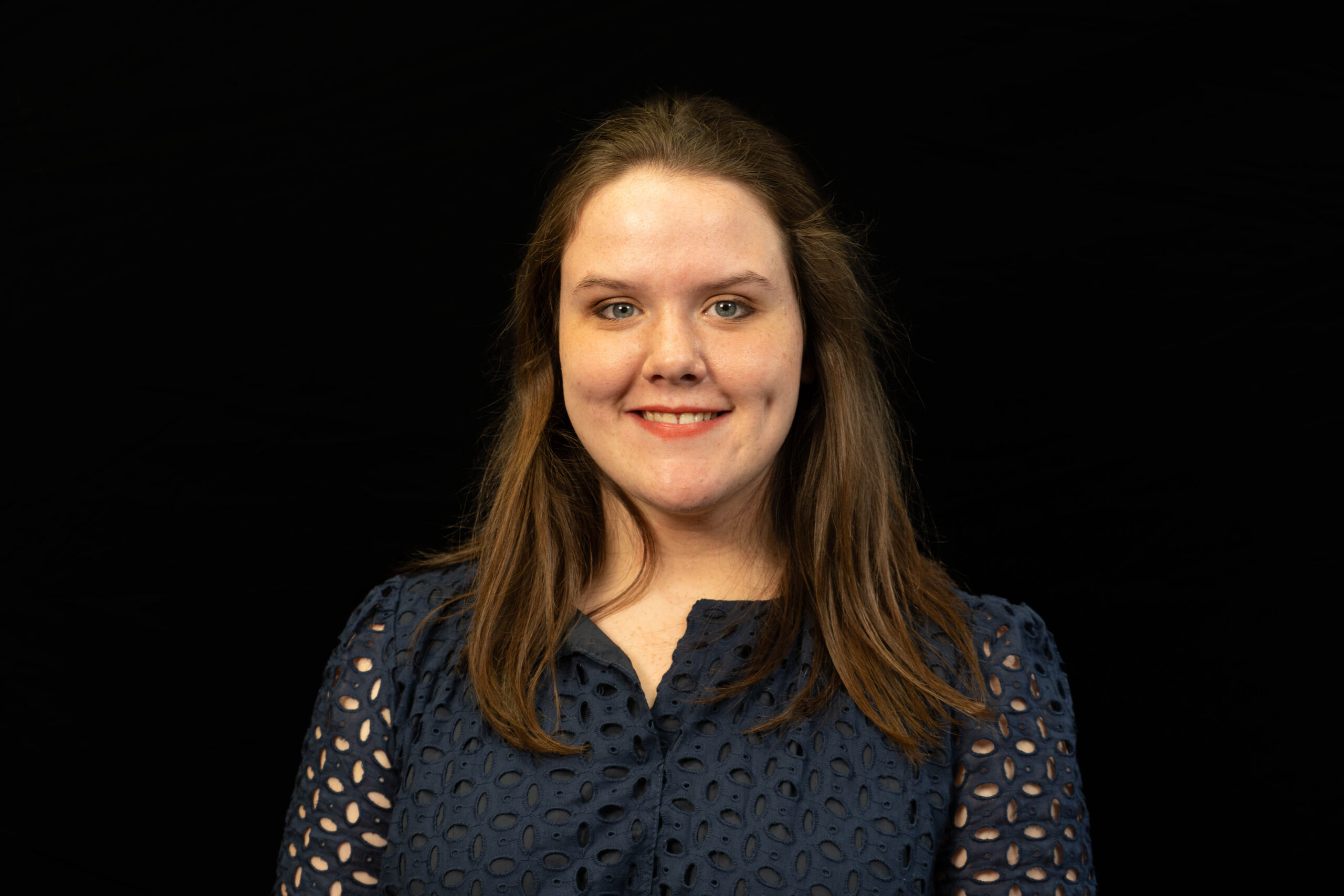
By Stephanie Starks | Staff Writer When I was in kindergarten, I had a lot of trouble reading, writing and spelling. I would often switch up letters in words that I knew how to say. I could spell longer words like “congratulations,” but not shorter words such as “see”. My teachers and parents had decided to test me for dyslexia, and the results showed that I was showing textbook signs of the disorder. Having dyslexia in school was challenging because I had to learn material in a different way. But once I did understand it, I could teach any student in class the material. Many people think of dyslexia as a learning disability that holds people back. What if dyslexia is not a burden at all, but it’s simply a different way of learning? While dyslexia does create an obstacle to standard teaching methods in classrooms, dyslexia should not be viewed as a setback because it does not limit a person’s intelligence, ability to perform in their chosen vocation or dampen their creativity.
This excerpt comes from the named source. Read the original for the full reporting.
Read the original at The Baylor Lariat