Local
Earning a Masters in School Counseling: Paths, Costs, and Career Outlook
A Roundtable is a way to meet new people and discuss this article in person at a local coffee shop or other venue.
Roundtables are designed for groups of four, with a shared subject and room for everyone to speak. Come for discussion, with no dating expectation.
Source: Juvenile Pre & Post
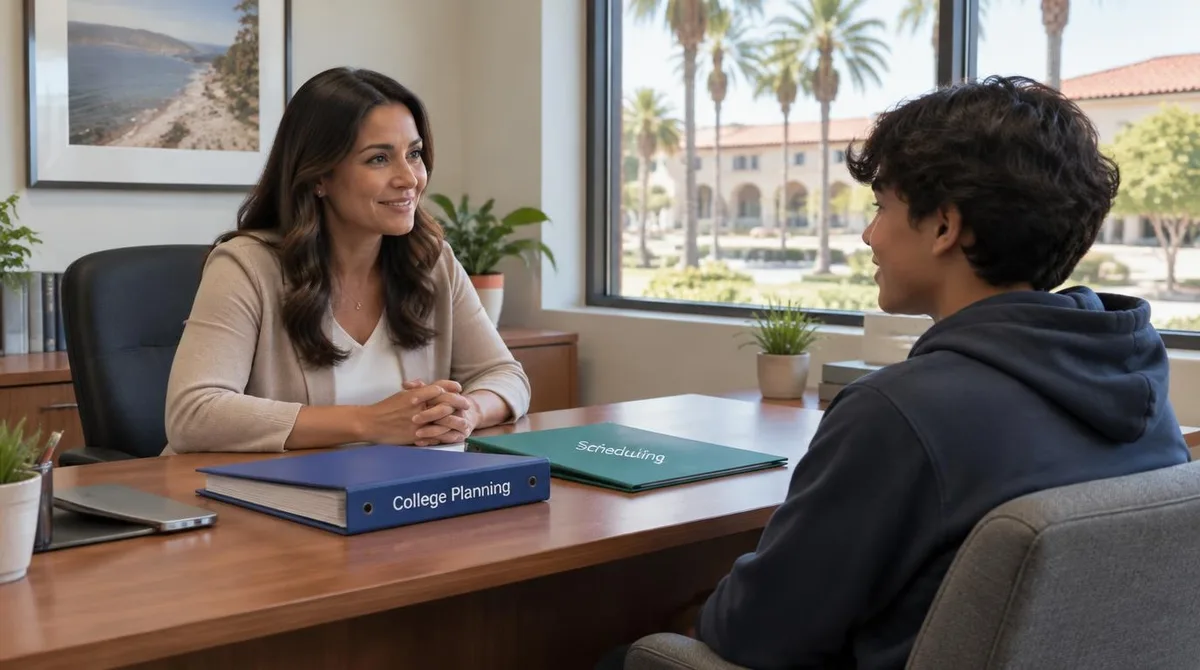
A master's in school counseling is the standard graduate degree for people who want to support K-12 students through academic planning, college readiness, and social-emotional growth. Most public school counseling jobs require it, plus a state credential. The work differs from clinical mental health counseling: school counselors offer short-term support and referrals inside schools, not diagnoses or private therapy. The timing is worth understanding. According to California Lutheran University, the American School Counselor Association reported a national student-to-counselor ratio of 372-to-1 for the 2024-2025 school year — well above its recommended 250-to-1 benchmark. That gap means heavy workloads for counselors in the field, and it also signals steady demand for trained people to fill the role. Here is what the path looks like, from coursework to credential to first job, and what the numbers say about pay and prospects.
This excerpt comes from the named source. Read the original for the full reporting.
Read the original at Juvenile Pre & Post