Local
Eisenhower’s deliverance: Turkey with fixin’s for troops in WWII
A Roundtable is a way to meet new people and discuss this article in person at a local coffee shop or other venue.
Roundtables are designed for groups of four, with a shared subject and room for everyone to speak. Come for discussion, with no dating expectation.
Source: Navy Times
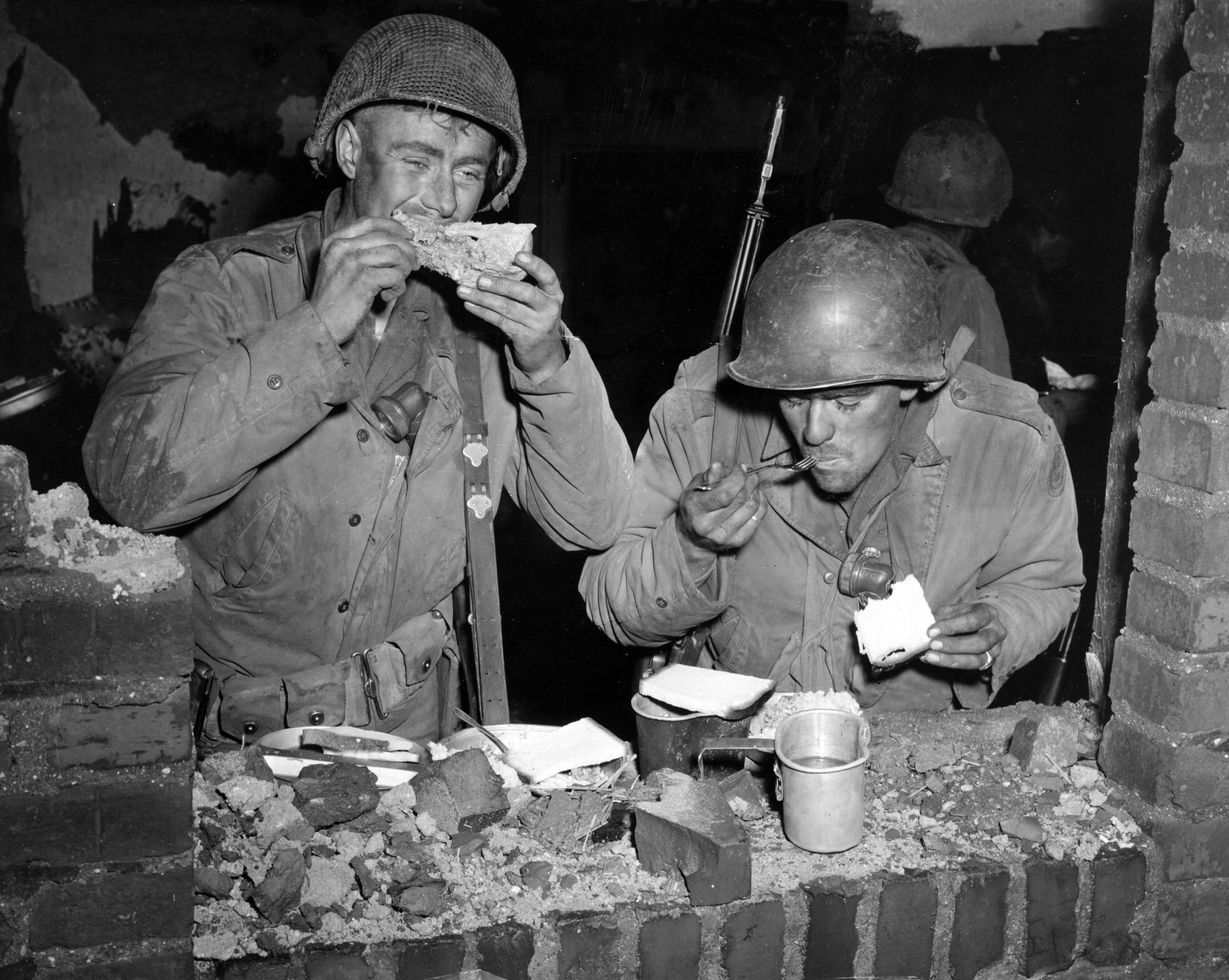
It was a miracle of deliverance — of sorts. In 1944, Gen. Dwight D. Eisenhower might have — briefly — usurped Gen. George C. Marshall’s title of “the organizer of victory” when he put out the order to get Thanksgiving turkey dinners with all the trimmings to nearly two million troops fighting to liberate Europe from Nazi domination. It was a logistical feat that, with albeit some exceptions, the Army’s Quartermaster Corps and Transportation Corps met with gusto. On Thanksgiving Day, nearly every G.I. stationed in Europe received an estimated 1.5 pounds of turkey per serving, plus stuffing, mashed potatoes, string beans, corn, cranberry sauce, celery, hot rolls and pumpkin pie. After weeks, if not months or years, surviving on dreary fare of cold K-rations and C-rations, the high command saw the effort to ply the troops with a turkey dinner as a necessary morale booster. The typical “treat” of gum and cigarettes certainly could not compete with pumpkin pie.
This excerpt comes from the named source. Read the original for the full reporting.
Read the original at Navy Times


