Local
El grillo que parece una excavadora y vive bajo tierra
A Roundtable is a way to meet new people and discuss this article in person at a local coffee shop or other venue.
Roundtables are designed for groups of four, with a shared subject and room for everyone to speak. Come for discussion, with no dating expectation.
Source: Qué Pasa
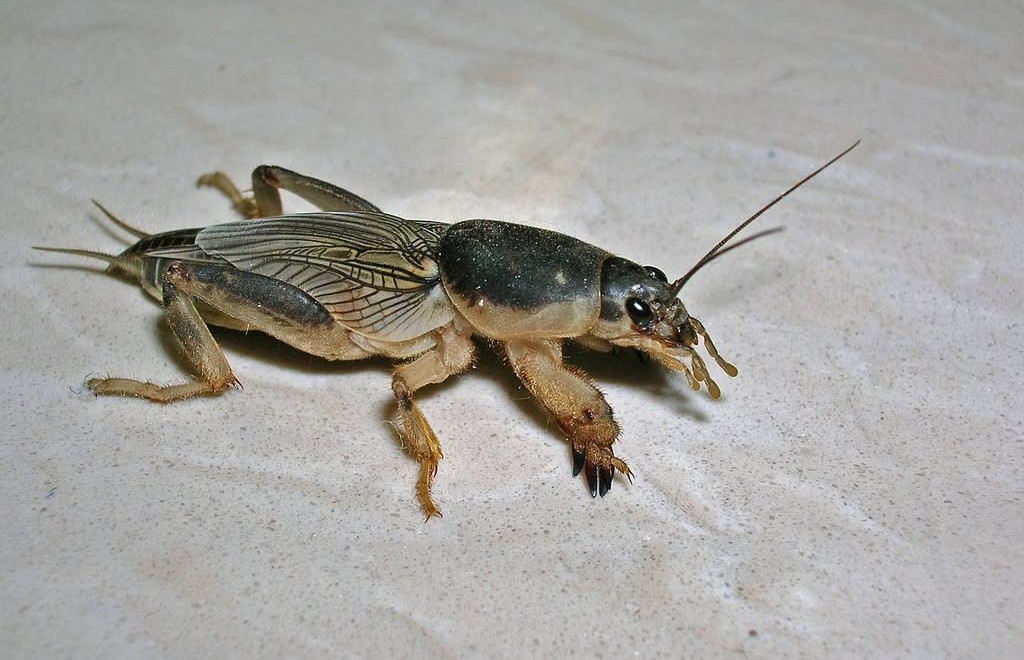
Claudia Alemán Qué Pasa Raleigh.- Parece una mezcla de grillo y topo, tiene unas patas delanteras que parecen pequeñas palas y pasa buena parte de su vida trabajando bajo tierra. No es una máquina en miniatura, aunque podría parecerlo: es el grillo topo sureño (Neoscapteriscus borellii), un insecto que llegó desde Sudamérica y hoy se encuentra en distintas zonas del sureste de Estados Unidos, incluida Carolina del Norte. Su aspecto es bastante particular. Tiene un cuerpo de color marrón claro, mide aproximadamente entre 2.5 y 3 centímetros y cuenta con unas patas delanteras anchas y fuertes que utiliza para abrirse camino entre la tierra. A diferencia de otros grillos, está especialmente adaptado para excavar. Aunque vive principalmente bajo el suelo, también tiene alas y puede volar. De hecho, los adultos realizan vuelos durante la temporada de apareamiento, especialmente en noches cálidas y húmedas.
This excerpt comes from the named source. Read the original for the full reporting.
Read the original at Qué Pasa