Local
Endurance athlete swims in Strait of Hormuz to highlight Iran war’s impact on wildlife
A Roundtable is a way to meet new people and discuss this article in person at a local coffee shop or other venue.
Roundtables are designed for groups of four, with a shared subject and room for everyone to speak. Come for discussion, with no dating expectation.
Source: Eagle Valley Enterprise
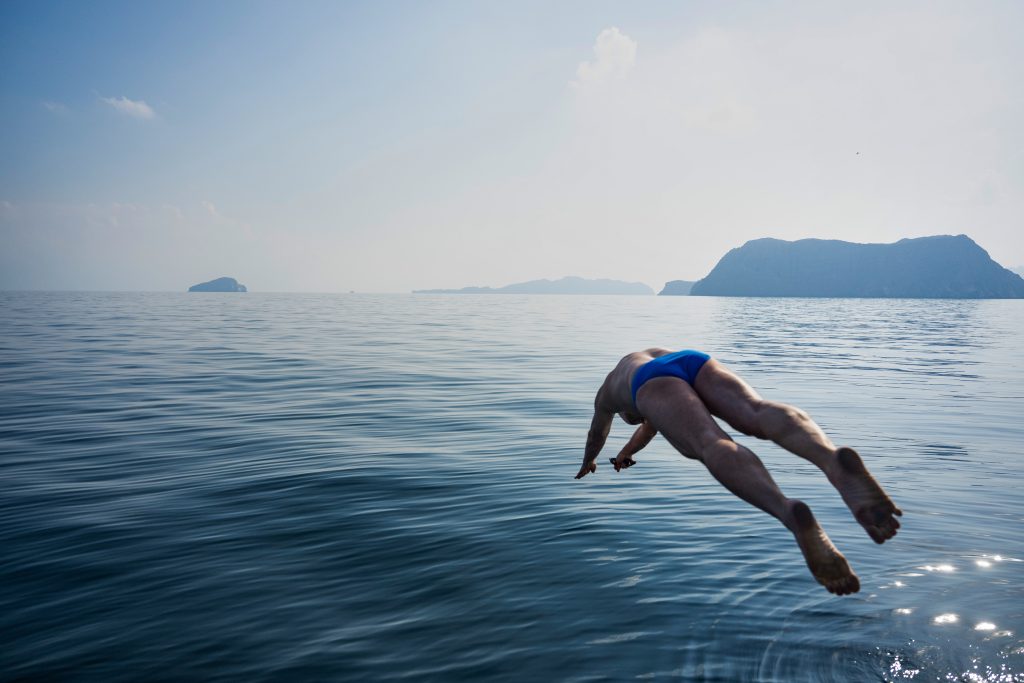
LONDON — British endurance swimmer Lewis Pugh has swum in the North Pole and Antarctica to draw attention to environmental causes. But battling freezing waters and extreme conditions hasn’t prepared him for his latest challenge: swimming the Strait of Hormuz while tankers are attacked and blown up nearby. Pugh, who is a United Nations patron of the oceans, spent three days this week swimming parts of the dangerous waterway to highlight how the war with Iran threatens the area’s habitat and wildlife. Wearing only swimming trunks, goggles and a cap bearing the U.N. logo, the athlete started from the Musandam Peninsula, on the southern tip of the strait, and ended by rounding the Cape of Hormuz, completing about 9.3 miles in total. Pugh is believed to be the first person to undertake a long-distance swim there since the war started. The swimmer said that minutes after he entered the water on Monday, he heard two loud explosions that rocked the sea.
This excerpt comes from the named source. Read the original for the full reporting.
Read the original at Eagle Valley Enterprise