Local
Estimates of Russians killed in Ukraine surpass all combined US war deaths since WWI
A Roundtable is a way to meet new people and discuss this article in person at a local coffee shop or other venue.
Roundtables are designed for groups of four, with a shared subject and room for everyone to speak. Come for discussion, with no dating expectation.
Source: Navy Times
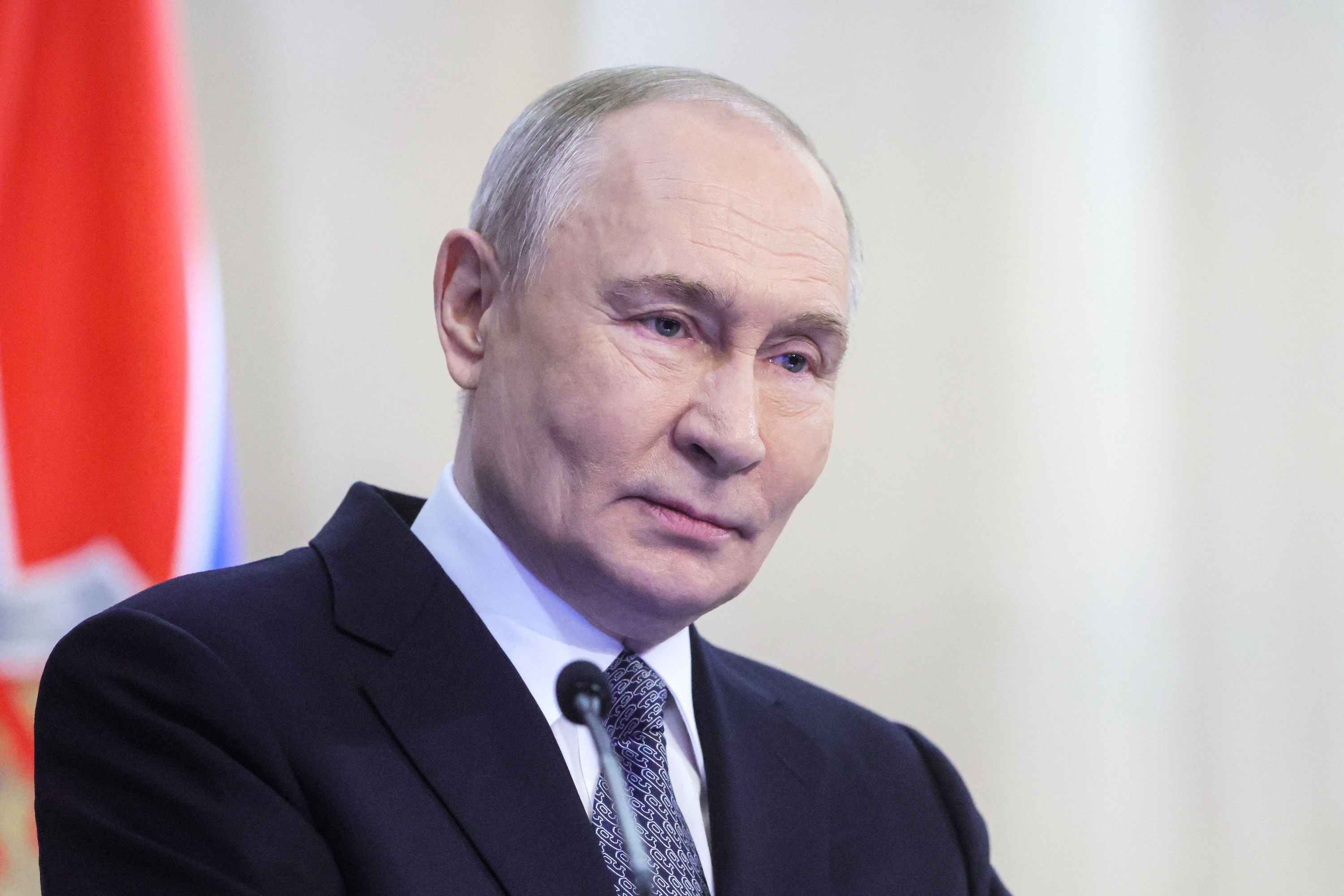
More than 700,000 Russian soldiers have been killed in the war in Ukraine since Russia launched its full-scale war against the nation nearly five years ago, according to an updated estimate released on Monday. Based on analysis of leaked official data by Belarusian and Ukrainian hackers from Russia’s statistical bureau, Rosstat, two Russian opposition outlets, Mediazona and Meduza, have confirmed that, accounting for time lags and troops reported missing in action, Russian fatalities jumped from 490,000 at the end of September to more than 720,000 since the start of the conflict in February 2022. That number, CNN reports, equates to roughly one death every four minutes. The estimate does not include the number of soldiers wounded.
This excerpt comes from the named source. Read the original for the full reporting.
Read the original at Navy Times



