Local
Etta (Bolton) Gulley
A Roundtable is a way to meet new people and discuss this article in person at a local coffee shop or other venue.
Roundtables are designed for groups of four, with a shared subject and room for everyone to speak. Come for discussion, with no dating expectation.
Source: News Journal
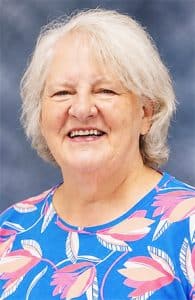
, age 71 of Clairfield, Tennessee passed away Friday, November 20, 2026, at her home. She was born March 13, 1955, in Jellico, Tennessee. Etta is preceded in death by her husband, Gary Gulley; father, George Bolton; mother, Parlie Jane (Malicoat) Bolton; brother, John Bolton; sister, Charlotte Thomas and husband Bill; brother-in-law, and Eddie Davis. She is survived by son, Adam Gulley; daughter, Allison Maiden and fiancé Brandon Johnson; like a daughter, Bethany Adkins; grandson, Garrison Maiden; brother, James “Jimbo” Bolton and wife Linda; sisters, Mary Allen, Lois Davis, Sue Clear and husband Johnny; sister-in-law, Vickie Williams and husband Elmer; and a host of nieces, nephews, friends and family to mourn her passing. The family would like to extend a special thanks to Beacon Hospice for the love and care they provided. The family will receive friends: 6-8 p.m. Monday, November 23, at Harp Funeral Home Chapel. Funeral services to follow at 8 p.m. with Rev. Adam Gulley and Rev.
This excerpt comes from the named source. Read the original for the full reporting.
Read the original at News Journal


