Local
“Even Arnold Schwarzenegger Is Not Good Enough to Kill Me”: Van Damme Had One Rule About Which Action Star Could Take Him Out
Meet in Common connects news with real conversations. Use ThinkMatch to arrange a Roundtable and meet people to discuss this story.
Source: Fortress of Solitude
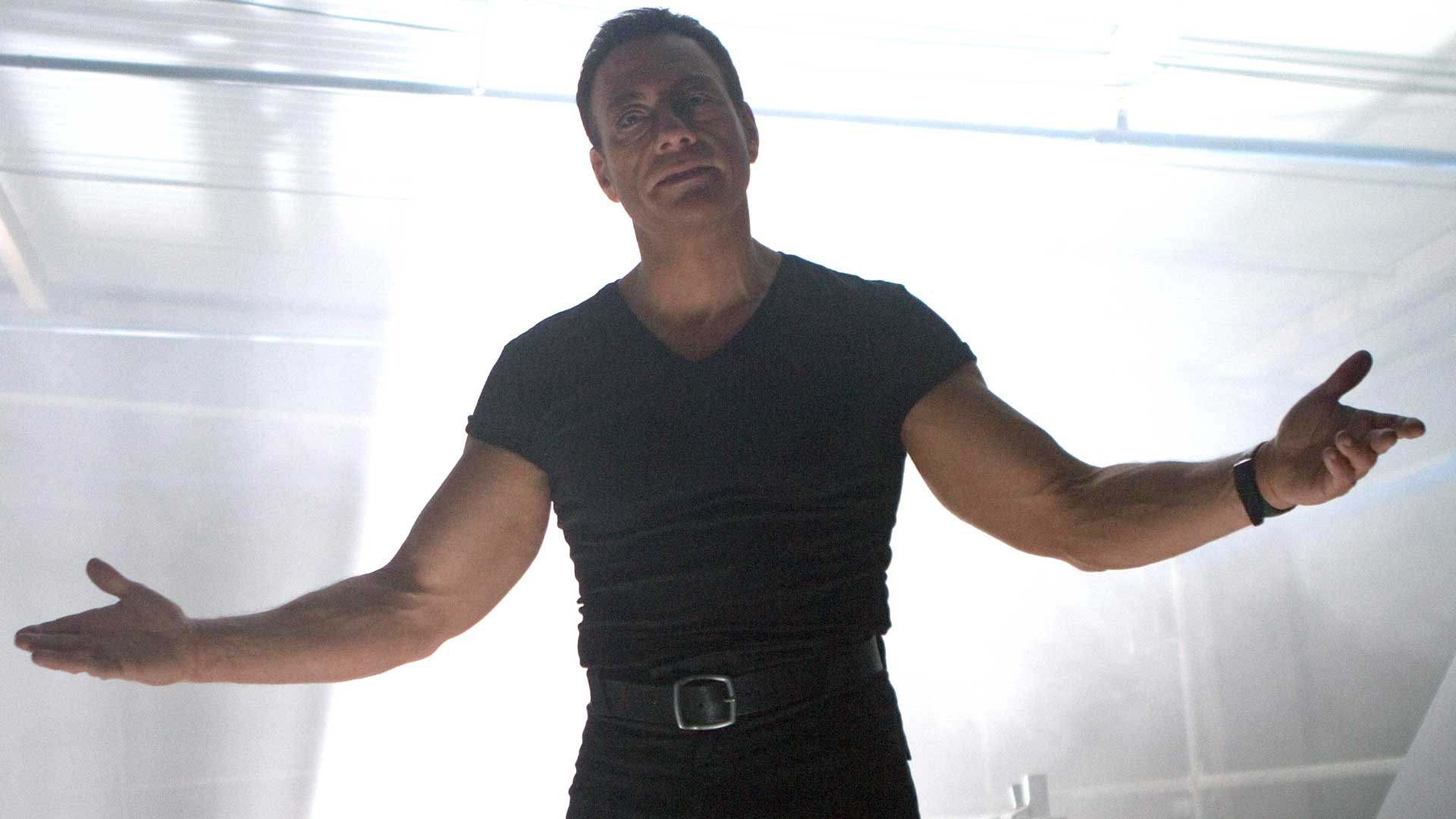
In action movies, there’s no shortage of knockouts and annihilations. Yet even amid all the chaos, bloodshed, and destruction, Jean-Claude Van Damme had one strict rule: only one action star would be allowed to kill him in a film. “We ended up discussing this,” writer-director Sheldon Lettich revealed (as per Nick de Semlyen’s The Last Action Heroes: The Triumphs, Flops, and Feuds of Hollywood’s Kings of Carnage ). “He said, ‘Bruce Willis? No. Wesley Snipes? Forget about it. Even Arnold Schwarzenegger is not good enough to kill me. But Stallone? I worship Stallone. He can do it.’” Lettich worked with Van Damme on films like Bloodsport, Double Impact, and The Order; needless to say, he understood the Belgian actor better than most. However, there was a ’90s movie where Van Damme considered breaking this rule: 1992’s Universal Soldier. As it turns out, Van Damme loved both the roles of Luc Deveraux and Andrew Scott.
This excerpt comes from the named source. Read the original for the full reporting.
Read the original at Fortress of Solitude


