Local
Every boater can help prevent the spread of invasive species
Meet in Common connects news with real conversations. Use ThinkMatch to arrange a Roundtable and meet people to discuss this story.
Source: Brainerd Dispatch
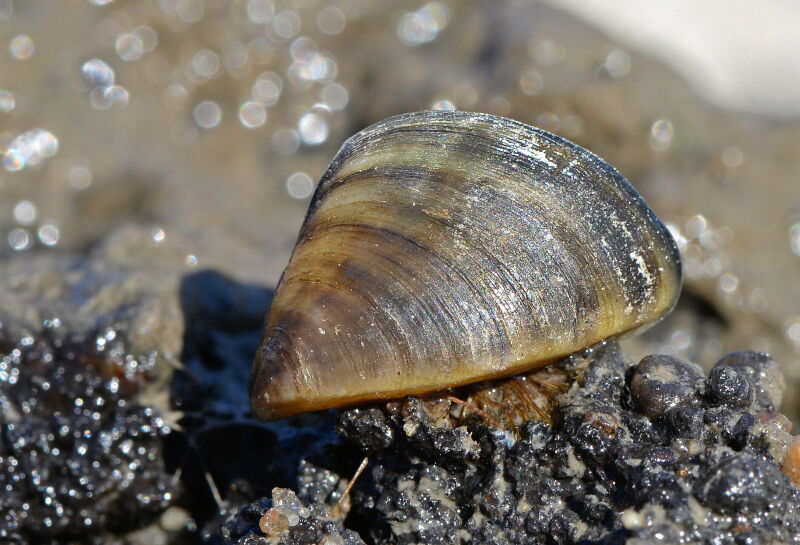
Every watercraft user in North Dakota has the responsibility to help prevent the spread of invasive species, according to Ben Holen. He should know. Holen is the aquatic nuisance species coordinator with the North Dakota Game and Fish Department, and recently, he and his team detected zebra mussels in Lake Sakakawea, the state’s largest lake. It’s the first time zebra mussels have been found in the massive waterbody, he said. As unfortunate as that is, it serves as a good teaching example for anglers, boaters and, in some ways, the department. Everyone must do their part. The detection happened after conducting routine sampling at Lake Sakakawea, just as the department does every summer in waters across the state. Water samples are taken to a lab where personnel look for microscopic zebra mussel larvae, called veligers. The water samples help to “really hone in on potential new infestations,” Holen said.
This excerpt comes from the named source. Read the original for the full reporting.
Read the original at Brainerd Dispatch