Local
Exhibition open at Berea College
A Roundtable is a way to meet new people and discuss this article in person at a local coffee shop or other venue.
Roundtables are designed for groups of four, with a shared subject and room for everyone to speak. Come for discussion, with no dating expectation.
Source: thetimestribune.com
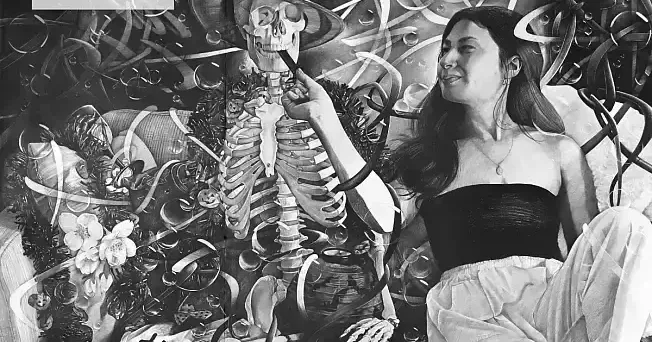
Getting your Trinity Audio player ready... BEREA — Mayuko Ono Gray: This too, shall pass has opened in the Upper Traylor Gallery and will run through next Wednesday, November 18 from 9 a.m. to 5 p.m. Ono Gray will give an artist talk in conjunction with the exhibition’s closing reception on November 18. For more information, visit https://dulmanngalleries.berea.edu/event_cal/mayuko_ono_gray/. Reflecting a life shaped by both Japanese and American cultures, Mayuko Ono Gray’s graphite drawings intertwine the influences of traditional Japanese calligraphy with the techniques and aesthetics of Western drawing. Gray is based in Houston, Texas, and her primary medium is graphite drawing. Born in Japan, she trained in traditional Japanese calligraphy in her youth and later studied classical Western drawing. Ono Gray moved to the United States following high school and went on to receive her MFA in painting from the University of Houston in 2007.
This excerpt comes from the named source. Read the original for the full reporting.
Read the original at thetimestribune.com