Local
Expecting more from manufacturing data: The necessity of OT data fabric for improving performance
Meet in Common connects news with real conversations. Use ThinkMatch to arrange a Roundtable and meet people to discuss this story.
Roundtables are designed for groups of four, with a shared subject and room for everyone to speak. Come for discussion, with no dating expectation.
Source: Plant Engineering
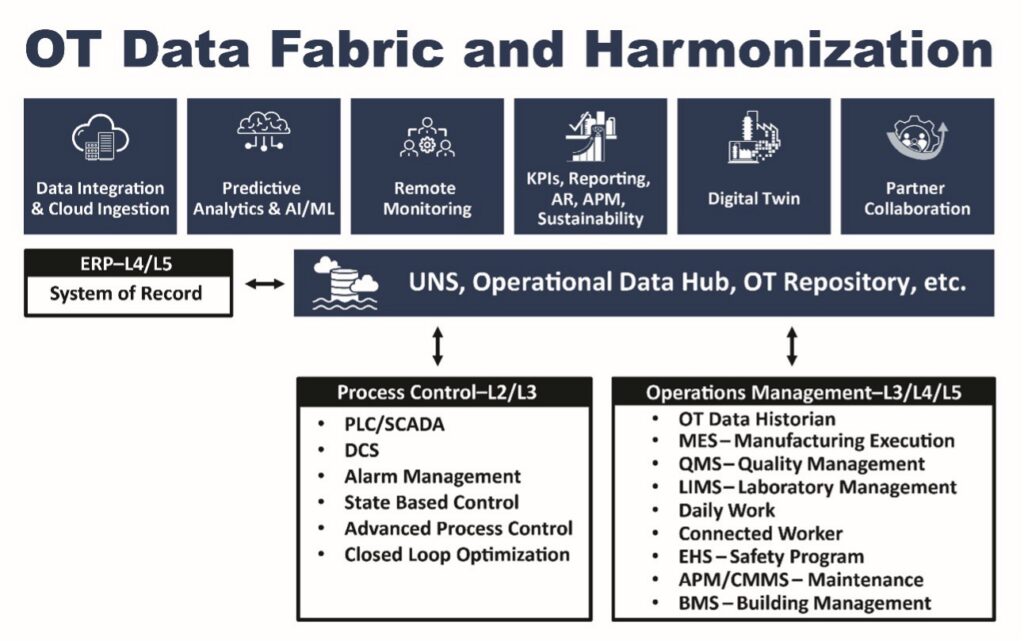
Data fabric insights Understand how a unified namespace (UNS) functions within an OT data fabric to organize, contextualize, and standardize manufacturing data across the enterprise. Identify how OT data fabric enables interoperability and harmonization among manufacturing software platforms, including SCADA, MES, historians, and connected worker applications. Explain why OT data fabric is critical for AI readiness, enterprise-wide data monitoring, and sustained digital transformation in manufacturing operations. Unified namespace (UNS) and operational technology (OT) data fabric are hot topics in industry today. UNS is defined as a structured, real-time data layer that organizes and exposes the current state of manufacturing systems in a consistent, accessible hierarchy.
This excerpt comes from the named source. Read the original for the full reporting.
Read the original at Plant Engineering