Local
Expert warns lead from Army detonation in Middletown could pose health risks
A Roundtable is a way to meet new people and discuss this article in person at a local coffee shop or other venue.
Roundtables are designed for groups of four, with a shared subject and room for everyone to speak. Come for discussion, with no dating expectation.
Source: KWQC
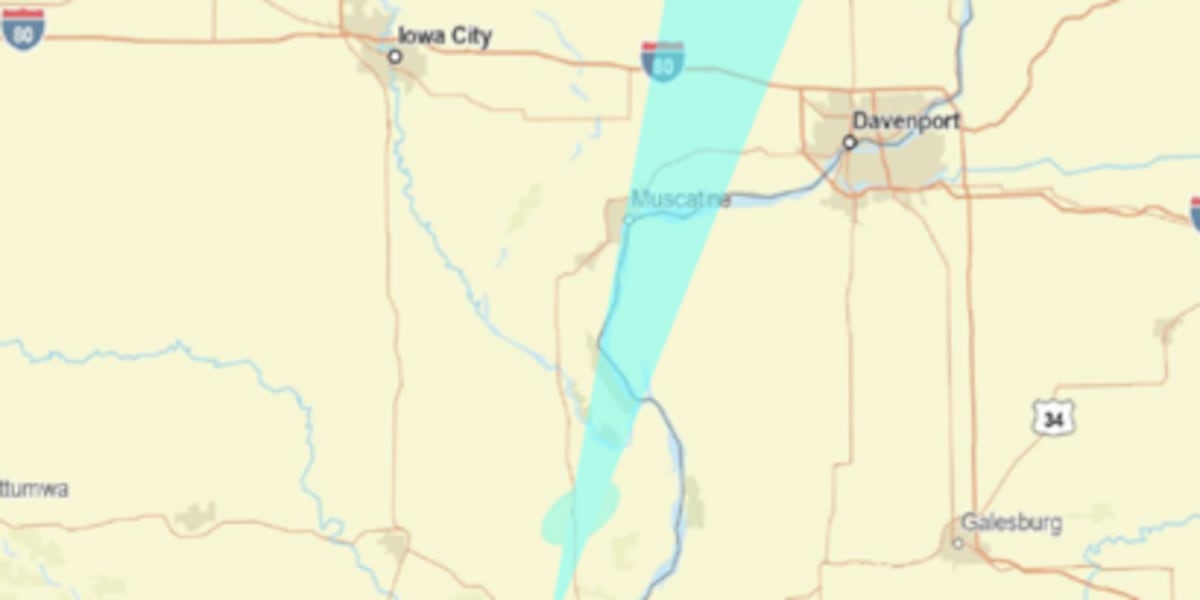
MIDDLETOWN, Iowa (KWQC) -- The U.S. Army is detonating a large quantity of lead azide on Friday in Middletown, raising concerns that go beyond the explosion. Lead azide is a highly sensitive explosive and a lead compound, meaning the blast could create environmental and public health risks. Chief among those is a potential lead-carrying plume, said Patrick O’Shaughnessy, a professor at the University of Iowa and expert in environmental health. The explosion can send lead-containing particles into the air, where they can travel with the wind before settling onto soil, buildings, vehicles and other surfaces. That creates potential exposure risks for people who breathe in the particles or come into contact with contaminated dust. “We inhale things that may get into our bodies, we ingest things, get into our gut. And we have the ability to have a dermal absorption of things that we touch,” O’Shaughnessy said. Health effects of lead Lead is a neurotoxin.
This excerpt comes from the named source. Read the original for the full reporting.
Read the original at KWQC