Meet In CommonNews

Local

Experts debunk Thanksgiving food myths, from turkey ‘coma’ to risky leftovers

A Roundtable is a way to meet new people and discuss this article in person at a local coffee shop or other venue.

Roundtables are designed for groups of four, with a shared subject and room for everyone to speak. Come for discussion, with no dating expectation.

Source: The Seattle Times Local News – The Seattle Times
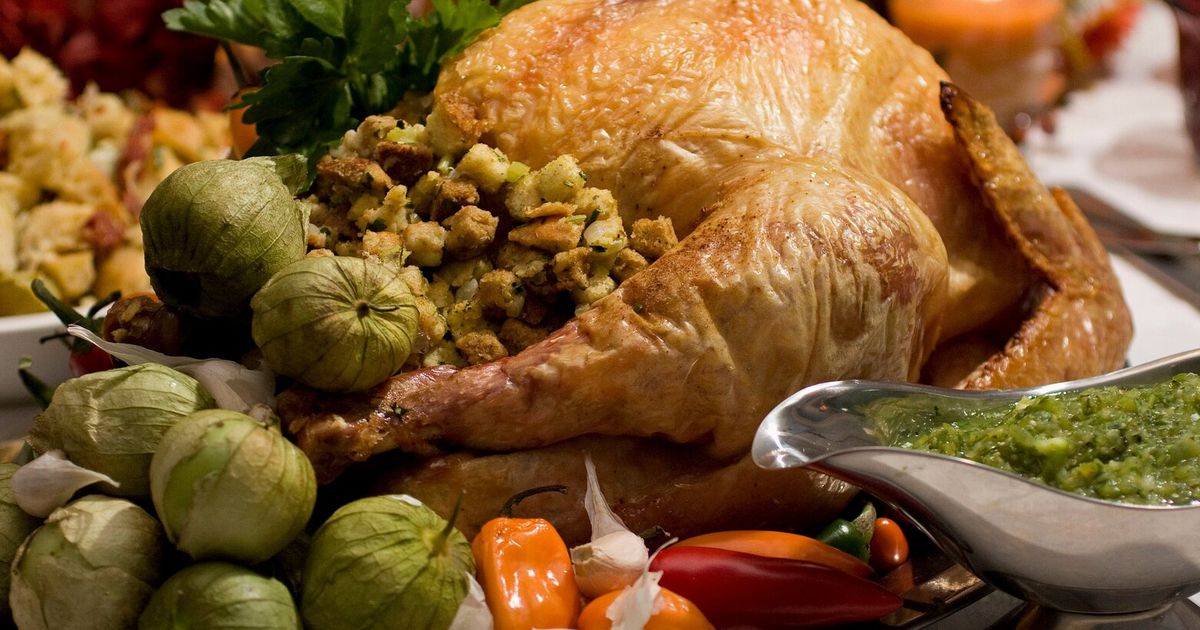
Experts say turkey was likely on the table at the first Thanksgiving in 1621, but there's no word on whether anyone took a nap afterward.

This excerpt comes from the named source. Read the original for the full reporting.

Read the original at The Seattle Times Local News – The Seattle Times

Featured places to meet in Palo Alto, CA

Explore these places and arrange a conversation through ThinkMatch.

City guide for Palo Alto, CA

Related coverage

Baltimore Chronicle · Local

Food Poisoning After Thanksgiving 2026: Symptoms, Warning Signs and When to See a Doctor

Stomach cramps, nausea, vomiting and diarrhea after Thanksgiving dinner may be symptoms of food poisoning rather than simple holiday overeating. As Americans recover from celebrations on November 26, 2026, and begin eating their holiday leftovers, knowing when digestive discomfort requires medical attention could prevent serious complications, explains Baltimore Chronicle. According to the Centers for Disease Control and Prevention (CDC), foodborne illnesses can develop within hours or several days of consuming contaminated food. Bloody diarrhea, persistent vomiting, fever above 102°F and dehydration are among the warning signs that require medical attention. Children, pregnant women, older adults and people with weakened immune systems face a greater risk of complications. Food Poisoning After Thanksgiving: What Are the First Symptoms? The first symptoms of food poisoning may appear on Thanksgiving evening, the following morning or several days later.

Community Poll

Neighboring communities should share responsibility for problems crossing their boundaries.

Share your view, then see how readers voted. No sign-in required. This poll is shared across stories.

Do you agree or disagree?

Choose one answer

Common Quandary

A Common Quandary to discuss

Another conversation to explore, separate from this news story.

Your family connection could get your child into their dream school. Do you use it?

A university argues that considering family ties builds loyalty and encourages donations that fund scholarships. Critics say the preference preserves inherited advantage and takes places from stronger applicants.

Can benefits to the whole institution justify an unequal admissions advantage?

Explore this quandary
