Local
Extension feedlot specialist joins K-State
A Roundtable is a way to meet new people and discuss this article in person at a local coffee shop or other venue.
Roundtables are designed for groups of four, with a shared subject and room for everyone to speak. Come for discussion, with no dating expectation.
Source: High Plains Journal
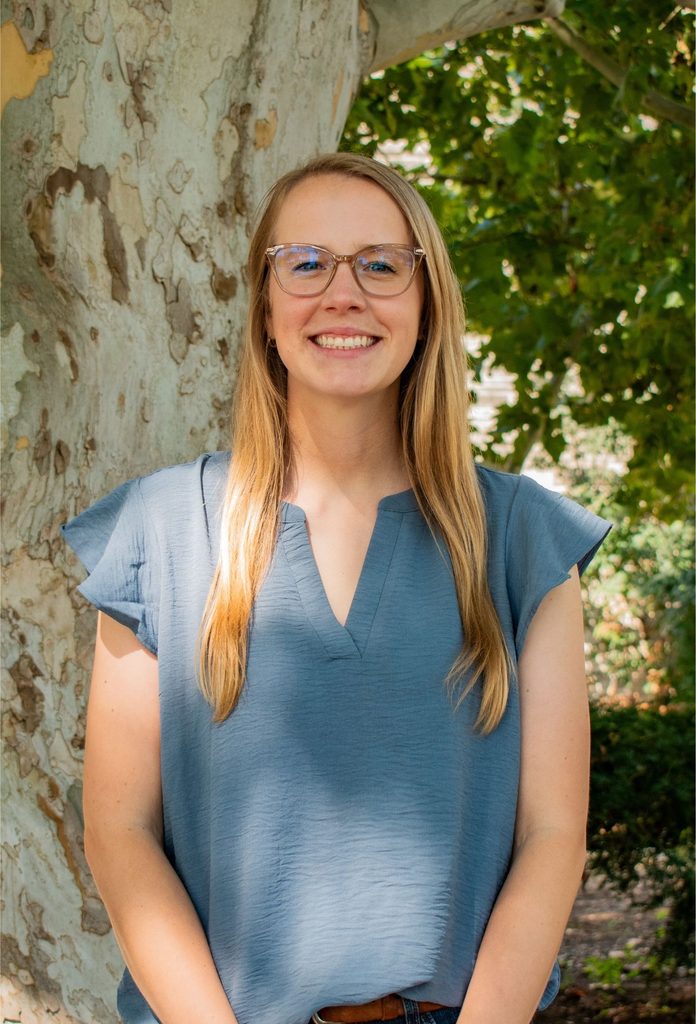
The Kansas State University Department of Animal Sciences and Industry has hired Rebecca McDermott as an assistant professor and Extension feedlot specialist. McDermott joined K-State at the beginning of the fall 2026 semester. McDermott has an appointment consisting of 70% extension, 20% teaching and 10% research, allowing her to work directly with Kansas feedlot producers, industry partners, extension agents and students. Her extension and research programs will focus on improving the efficiency of feedlot cattle through nutritional and management strategies while providing students with opportunities to learn more about the feedlot industry. “It is such an exciting time to be at Kansas State, especially in the feedlot space,” McDermott said. “With the construction of the new feedlot, we will have the opportunity to conduct industry-relevant research and train students by providing hands-on, experiential learning.
This excerpt comes from the named source. Read the original for the full reporting.
Read the original at High Plains Journal


