Local
Fairhaven, Westport police officers entered false, vague reasons for Flock searches
A Roundtable is a way to meet new people and discuss this article in person at a local coffee shop or other venue.
Roundtables are designed for groups of four, with a shared subject and room for everyone to speak. Come for discussion, with no dating expectation.
Source: The New Bedford Light
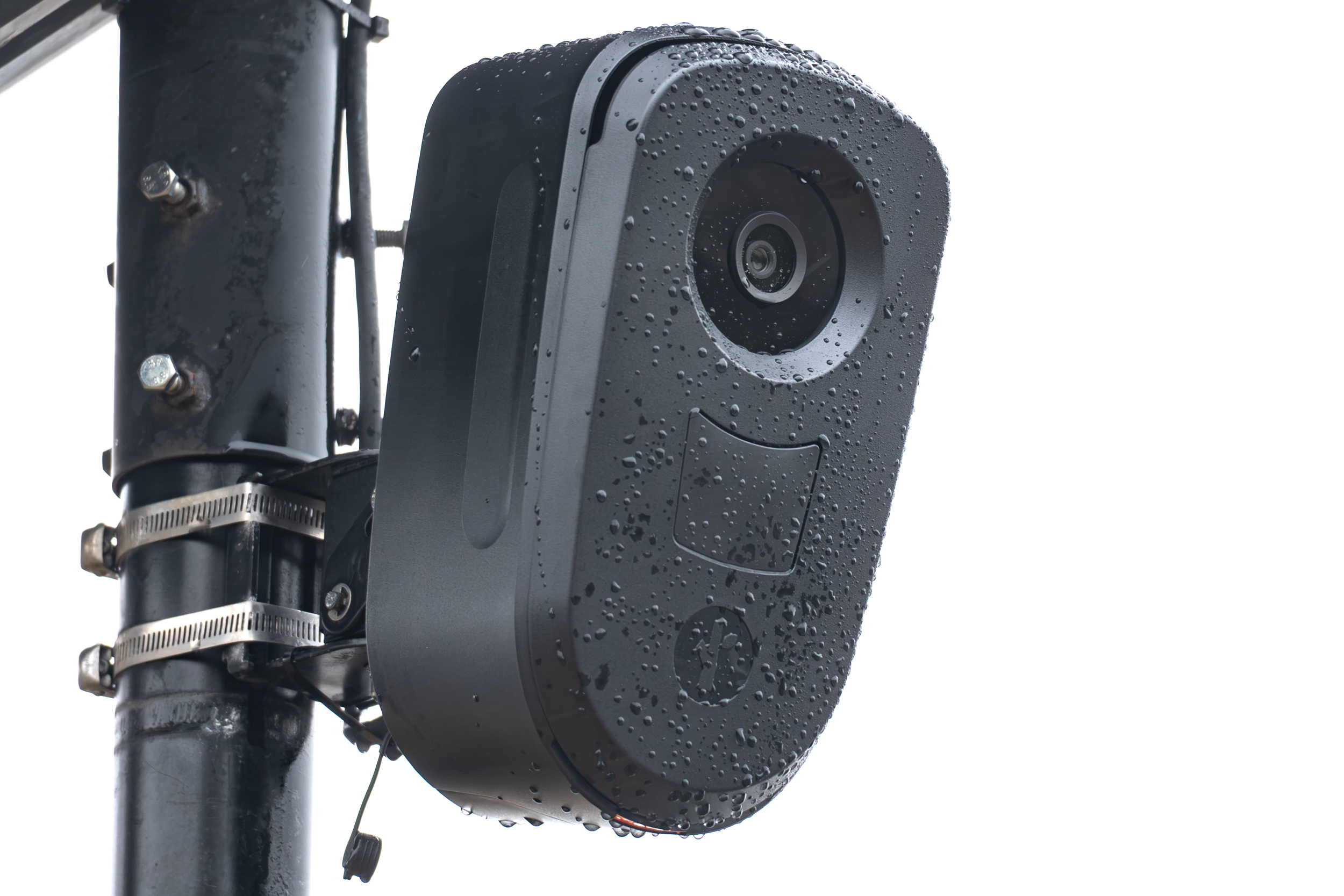
Two police officers, in Fairhaven and Westport, used false labels for their searches of Flock license-plate camera photos, entering “welfare check” for searches that weren’t actually for welfare checks, according to data obtained by The Light and interviews with police leadership. As with other police departments on the South Coast and nationwide, Fairhaven and Westport officers frequently used vague reasons for their searches. They entered “inv,” “invest” or “investigation” for hundreds of searches over the years, and in some cases did not correctly enter why they were running a plate. A Fairhaven officer entered only “welfare check” as his search reasons between January and August of this year, accounting for more than 750 searches of plate numbers, according to Flock search data obtained by The Light.
This excerpt comes from the named source. Read the original for the full reporting.
Read the original at The New Bedford Light


