Local
Faith: Do you have a dream?
A Roundtable is a way to meet new people and discuss this article in person at a local coffee shop or other venue.
Roundtables are designed for groups of four, with a shared subject and room for everyone to speak. Come for discussion, with no dating expectation.
Source: Pine and Lakes Echo Journal
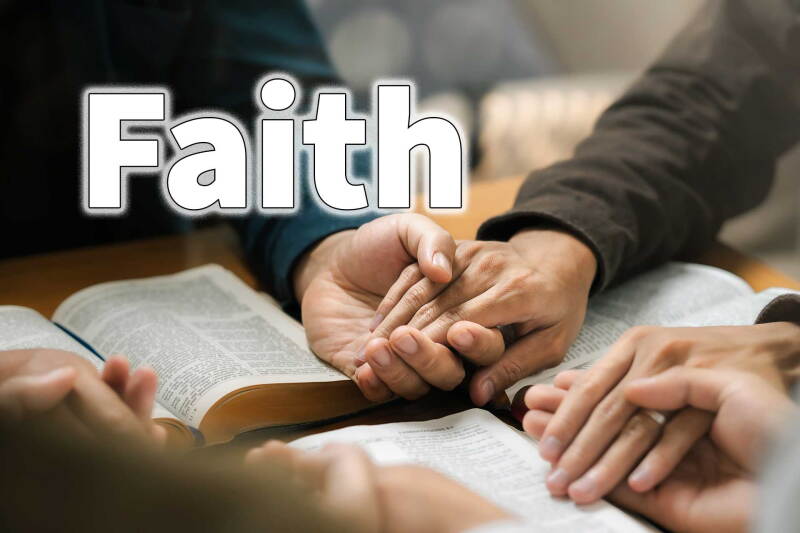
There are a lot of dreams out there! Dreams of championships. Dreams of world peace. Dreams of the best job. Good finances. Good health. Material things. But, do you have a dream? Or maybe we should say, do you have a purpose? What would it take to really fulfill your life and bring inner peace and joy and purpose? Recently I spoke to a group of women at our church’s monthly Gal’s Night Out. Women from many different walks of life. Younger women who are very busy with family. Women who are busy with careers. I asked the women who were beyond that stage: “Are you all washed up?” Meaning, is your life over, no purpose, can’t make a difference? The women shouted, "No! We can still make a difference." We have more hope when we have a dream. But how do we find the ability to dream and have vision, no matter what stage we are in?
This excerpt comes from the named source. Read the original for the full reporting.
Read the original at Pine and Lakes Echo Journal