Local
Fall breeding hinges on winter body condition according to Kansas State specialist
Meet in Common connects news with real conversations. Use ThinkMatch to arrange a Roundtable and meet people to discuss this story.
Source: Farm Talk
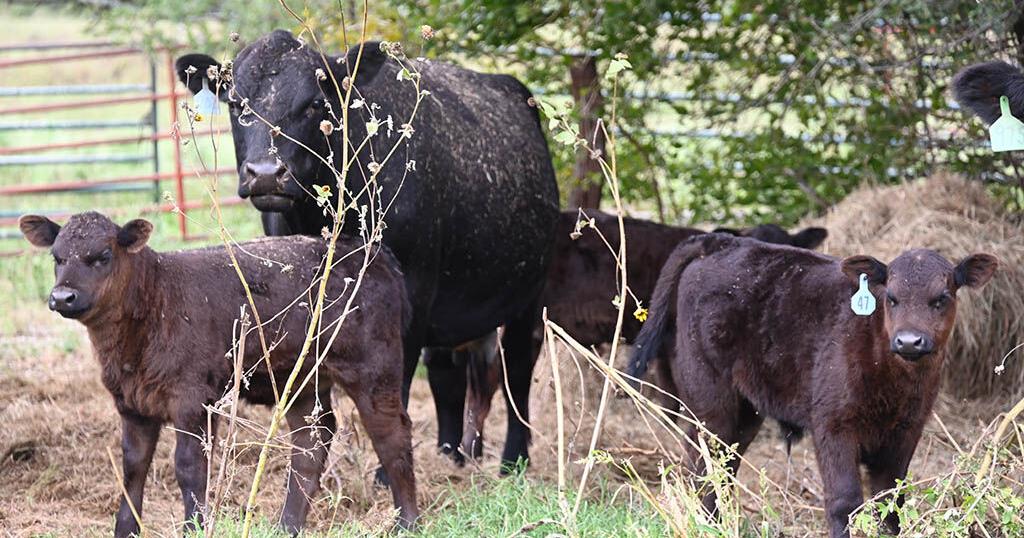
(Photo by Benny Reeves) Cows that enter fall breeding in good shape can leave it thin by January, and the change can cost producers pregnancies, said Kansas State University cow-calf specialist Dr. Jason Warner in a recent conversation with FARM TALK."It can be very easy to take energy and protein away from those cows and put them in a declining plane of nutrition as they go later into the fall and into the winter," said Warner. Summer masks the problem. Green forage and low requirements let fall-calving cows build condition without help. Then forage quality drops as milk production climbs, peaking two months after calving. Most producers breed between Nov. 15 and Jan. 15, so the two cross at the worst time.Warner estimated fall calvers at 20 to 30 percent of the national calf crop, based on USDA marketing data. Fall calving is more prominent in the southeast.Body Condition ScoresHe set the target body condition score of 6 for first-calf heifers and 5 for mature cows.
This excerpt comes from the named source. Read the original for the full reporting.
Read the original at Farm Talk