Local
Family ‘devastated’ as Clarkson student’s killer gets parole
A Roundtable is a way to meet new people and discuss this article in person at a local coffee shop or other venue.
Roundtables are designed for groups of four, with a shared subject and room for everyone to speak. Come for discussion, with no dating expectation.
Source: WWNY
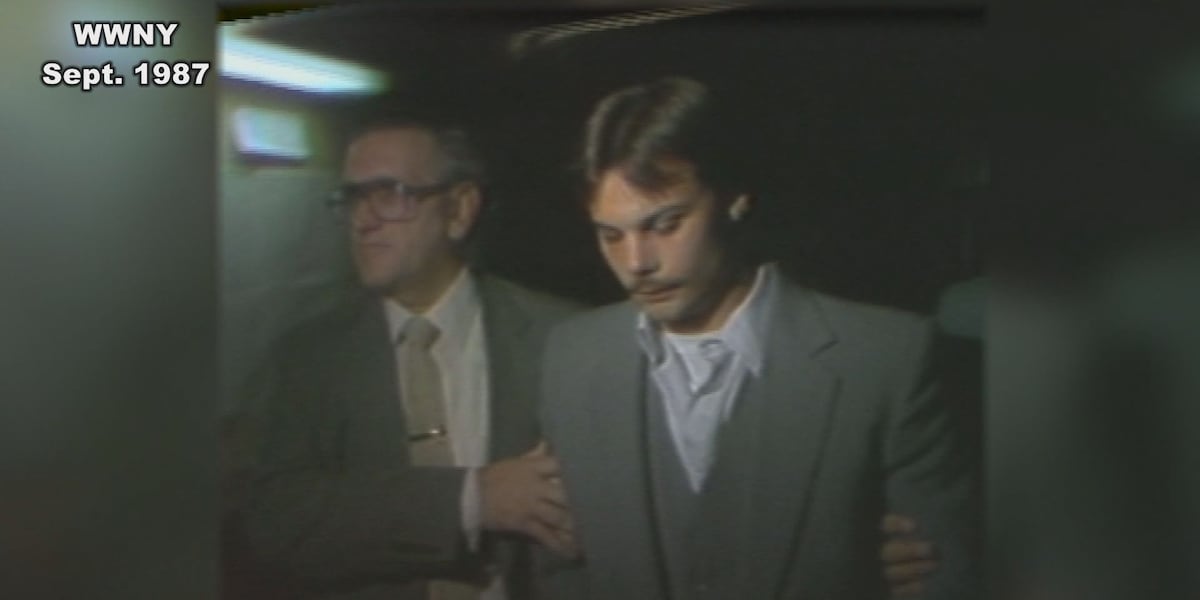
(WWNY) - The family of a Clarkson University student killed in 1986 is devastated now that the Potsdam-area man convicted in her murder has been granted parole. Brian McCarthy was sentenced in 1987 to 23 years to life in prison. He will be released before Feb. 24, 2027, the New York State Department of Corrections and Community Supervision told 7 News. The state website indicates the release could be Dec. 10. The 1986 case In August 1986, Katherine “Katy” Hawelka, 19, was raped and beaten on campus. She died days later. Family responds For years, the Facebook page “4Katy Hawelka” has posted updates as McCarthy’s parole hearings were continually denied. In an update Monday night, the family posted: “With heavy hearts, our family is devastated to share that the New York State Parole Board has granted parole to Brian McCarthy, the degenerate who murdered Katy Hawelka on August 29, 1986. His anticipated release is on or about December 10, 2026.
This excerpt comes from the named source. Read the original for the full reporting.
Read the original at WWNY