Local
Family, friends remember Eagle River teen who died days after collapsing in PE class
Meet in Common connects news with real conversations. Use ThinkMatch to arrange a Roundtable and meet people to discuss this story.
Roundtables are designed for groups of four, with a shared subject and room for everyone to speak. Come for discussion, with no dating expectation.
Source: Alaska's News Source
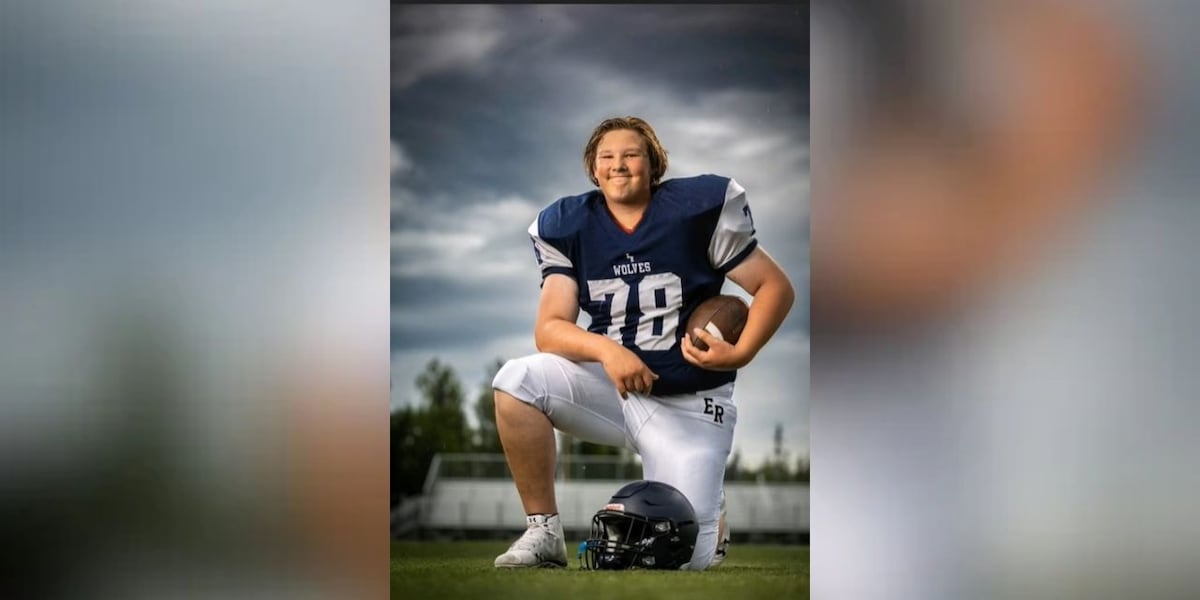
EAGLE RIVER, Alaska (KTUU) - Friends and family are remembering the life of Levi Curry, a freshman at Eagle River High School who died from cardiac arrest after suddenly collapsing while playing football in P.E. class last week. Curry’s parents — his mother Mary and father James — say Levi was born with a heart condition, but had surgery to alleviate it. “The surgery basically healed it,” James said. “Other than that, he’s just like a normal kid.” Those who knew Levi best agree that he was seemingly born to play football: standing 6-foot-3 at just 15 years old. “I think 17 years now, and I’ve never had a ninth-grader start for varsity, especially on the offensive line,” said Jonathan Wetzel, the football coach for Eagle River High School. Curry’s family said Levi was named as one of the best defensive players in the state on Wednesday. “I called the coach ... and he told him, and Levi was like so excited about that,” Mary said.
This excerpt comes from the named source. Read the original for the full reporting.
Read the original at Alaska's News Source

