Local
Fear and Loathing in Ann Arbor, Michigan: A Rant in E-Minor
A Roundtable is a way to meet new people and discuss this article in person at a local coffee shop or other venue.
Roundtables are designed for groups of four, with a shared subject and room for everyone to speak. Come for discussion, with no dating expectation.
Source: The Michigan Review
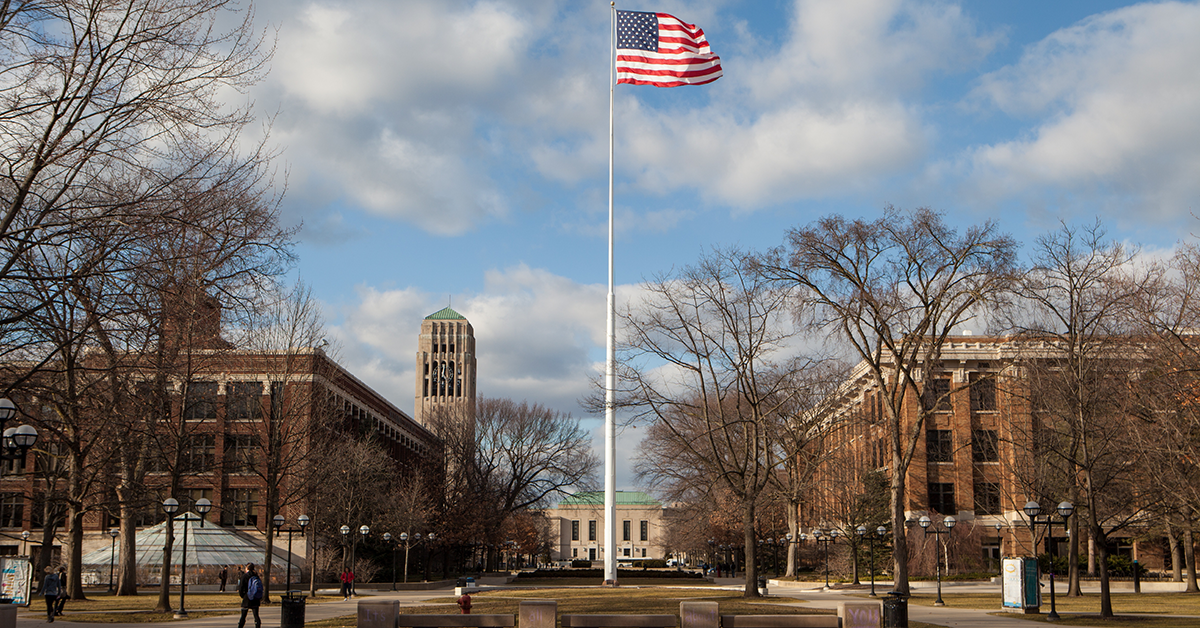
On November 1st, around 5:00 pm, University of Michigan police were dispatched to central campus for a noise complaint. The incident was rapidly discovered to be a situation involving an unpermitted table event by Liberty Under Fire USA, and the disruption was determined to be stemming from a conflict between a student and an influencer at the event. Quickly, as seen on bystander video, the student lunged at the influencer, shoving her before being pulled away, then lunging again. Police quickly apprehended the suspect, later identified as Temulun Togochog, as she shouted statements, such as, "I should've f------ killed you when I had the f----- chance." Prosecutors authorized two counts of assault or assault and battery and one count of resisting or obstructing an officer. When deciding what commentary the Michigan Daily wished to publish on the matter, they settled on a smearing distortion of an event that made national headlines.
This excerpt comes from the named source. Read the original for the full reporting.
Read the original at The Michigan Review


