Local
Federal legislation pits energy development against conservation and historic preservation
A Roundtable is a way to meet new people and discuss this article in person at a local coffee shop or other venue.
Roundtables are designed for groups of four, with a shared subject and room for everyone to speak. Come for discussion, with no dating expectation.
Source: VTDigger
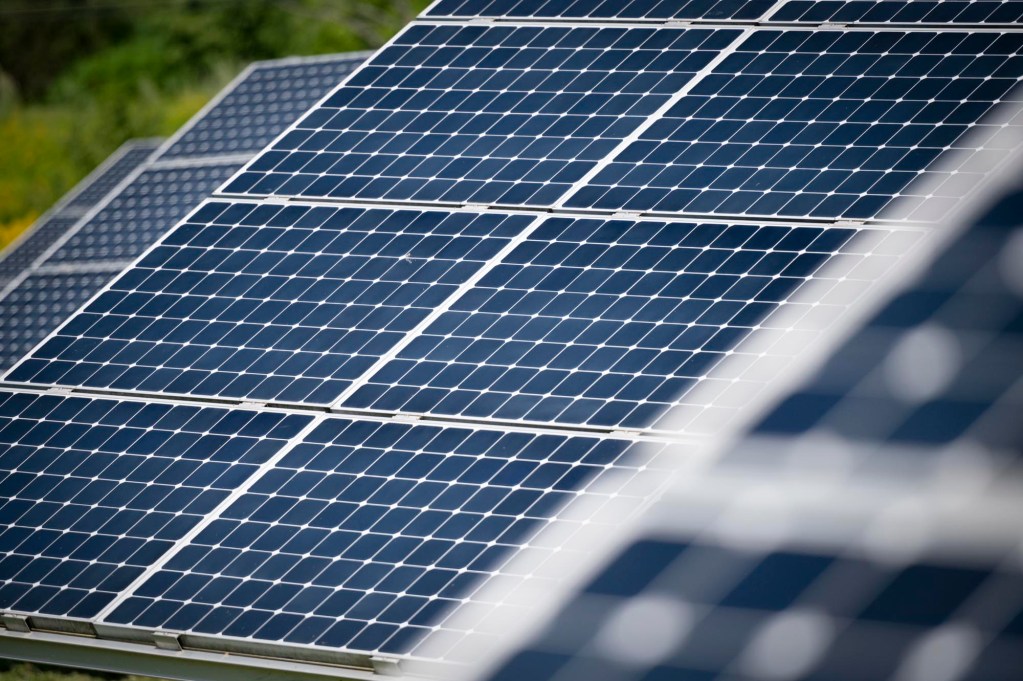
A megabill centered on permitting reform to streamline a wide range of federally-funded projects — called the Bipartisan American Affordability and Jobs Act — is dividing Vermonters. The legislation — introduced Sept. 30 and sponsored by U.S. Sen. Shelley Moore Capito, R-W.Va., and U.S. Sen. Sheldon Whitehouse, D-R.I., along with Energy and Natural Resources Chair U.S. Sen. Mike Lee, R-Utah, and U.S. Sen. Martin Heinrich, D-N.M. — is aimed at advancing energy and transmission line development and modernizing project permitting. The bill is now before the House of Representatives, after passing the Senate on Nov. 19, despite U.S. Sens. Bernie Sanders, I-Vt., and Peter Welch, D-Vt., voting against the legislation. The third member of the Vermont delegation, U.S. Rep.
This excerpt comes from the named source. Read the original for the full reporting.
Read the original at VTDigger


