Local
Fertilizer supply chains explained: from mine to spreader
Meet in Common connects news with real conversations. Use ThinkMatch to arrange a Roundtable and meet people to discuss this story.
Source: Farm Press Theme
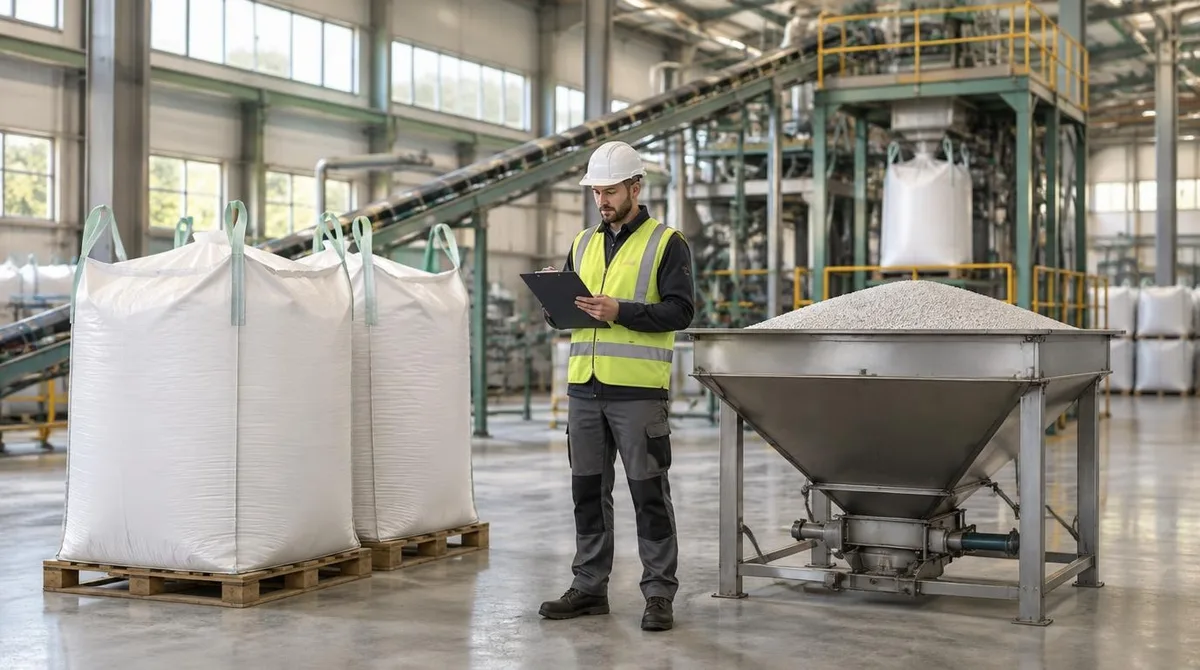
Nitrogen fertilizer is, at bottom, a natural gas product. Most of the world's ammonia is made by combining natural gas with nitrogen pulled from the air, so the price a farmer pays per ton carries the cost of the gas that went into it. When energy prices spike or a shipping route closes, that cost moves down the chain and lands in the spreader. Phosphorus and potassium take a different road. They come from mined rock — phosphate deposits and potash ores — concentrated in a handful of producing regions, then processed, shipped, and blended. Understanding where each nutrient comes from explains why their prices do not always move together, and why a fertilizer bill is really three separate supply stories. Where does nitrogen actually come from? Nitrogen fertilizer starts as ammonia. The dominant method is the Haber process, which produces ammonia from methane — natural gas — and molecular nitrogen from the air.
This excerpt comes from the named source. Read the original for the full reporting.
Read the original at Farm Press Theme