Local
Fillmore Central avoids upset, advances to volleyball state semifinals
Meet in Common connects news with real conversations. Use ThinkMatch to arrange a Roundtable and meet people to discuss this story.
Source: Post-Bulletin
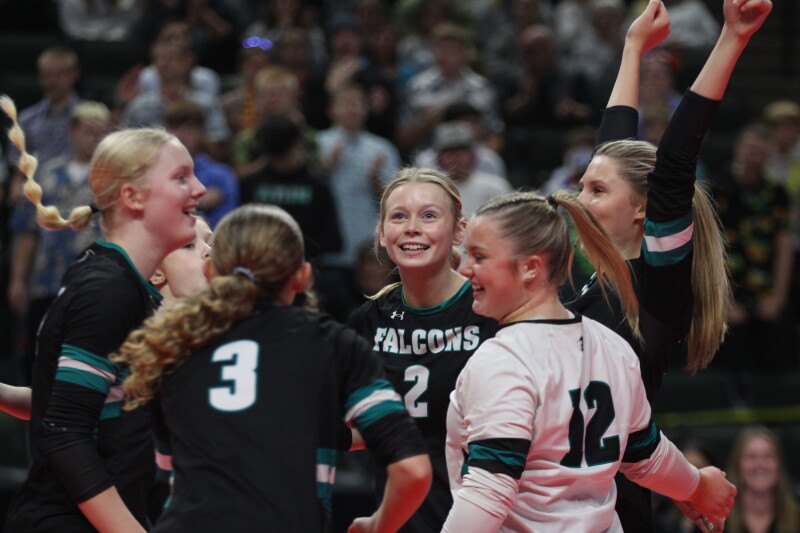
ST. PAUL — Throughout the match, especially in set two, the Fillmore Central volleyball players couldn’t help but let thoughts of last year’s state quarterfinal match creep in. The Falcons were seeded third at the state tournament then and were upset by the No. 6 seed in four sets. Thankfully for the Falcons, they did not let history repeat itself on Thursday. Fillmore Central, seeded second in this year’s tournament, took care of business in the Class 1A state quarterfinals, beating No. 7 Sleepy Eye St. Mary’s 25-17, 22-25, 25-23, 25-17 at Grand Casino Arena. “Sleepy Eye played really (well),” said Travis Malley, Fillmore Central’s head coach since 2014. “I thought their front line, their height and their athleticism, kind of gave us a little trouble, and we had to kind of work through that. I thought our girls really dug deep when they were getting pressed there in the second set and third set, but they really came through when they needed to.
This excerpt comes from the named source. Read the original for the full reporting.
Read the original at Post-Bulletin