Local
Fitness Blender and the rise of free home workouts
Meet in Common connects news with real conversations. Use ThinkMatch to arrange a Roundtable and meet people to discuss this story.
Source: 24 News Click
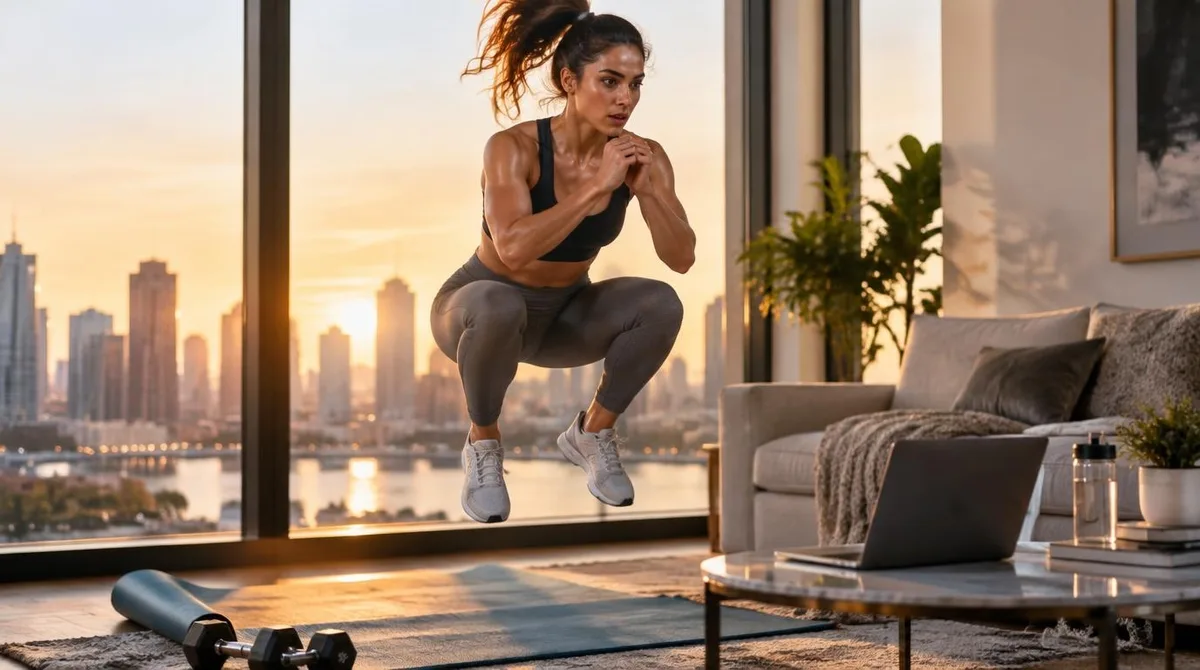
Fitness Blender is a free online workout channel that publishes full-length, follow-along exercise videos on YouTube, funded by advertising and optional paid programs rather than a subscription wall. Its rise is part of a bigger shift: millions of people now train at home with a screen and a mat instead of a gym membership. The model removed the two biggest barriers to regular exercise — cost and scheduling — though the quality of any given workout still depends on the program behind it, not the price tag. The broader case for structured exercise is not in doubt. According to Everyday Health's fitness guide, the Physical Activity Guidelines for Americans outline a weekly routine built around aerobic exercise, strength training, flexibility, and rest, and research involving more than 116,000 adults linked 150 to 300 minutes of weekly activity with a 19 percent lower risk of death from any cause.
This excerpt comes from the named source. Read the original for the full reporting.
Read the original at 24 News Click