Local
Five ‘Wow’ Houses, Each With a Story
A Roundtable is a way to meet new people and discuss this article in person at a local coffee shop or other venue.
Roundtables are designed for groups of four, with a shared subject and room for everyone to speak. Come for discussion, with no dating expectation.
Source: The East Hampton Star
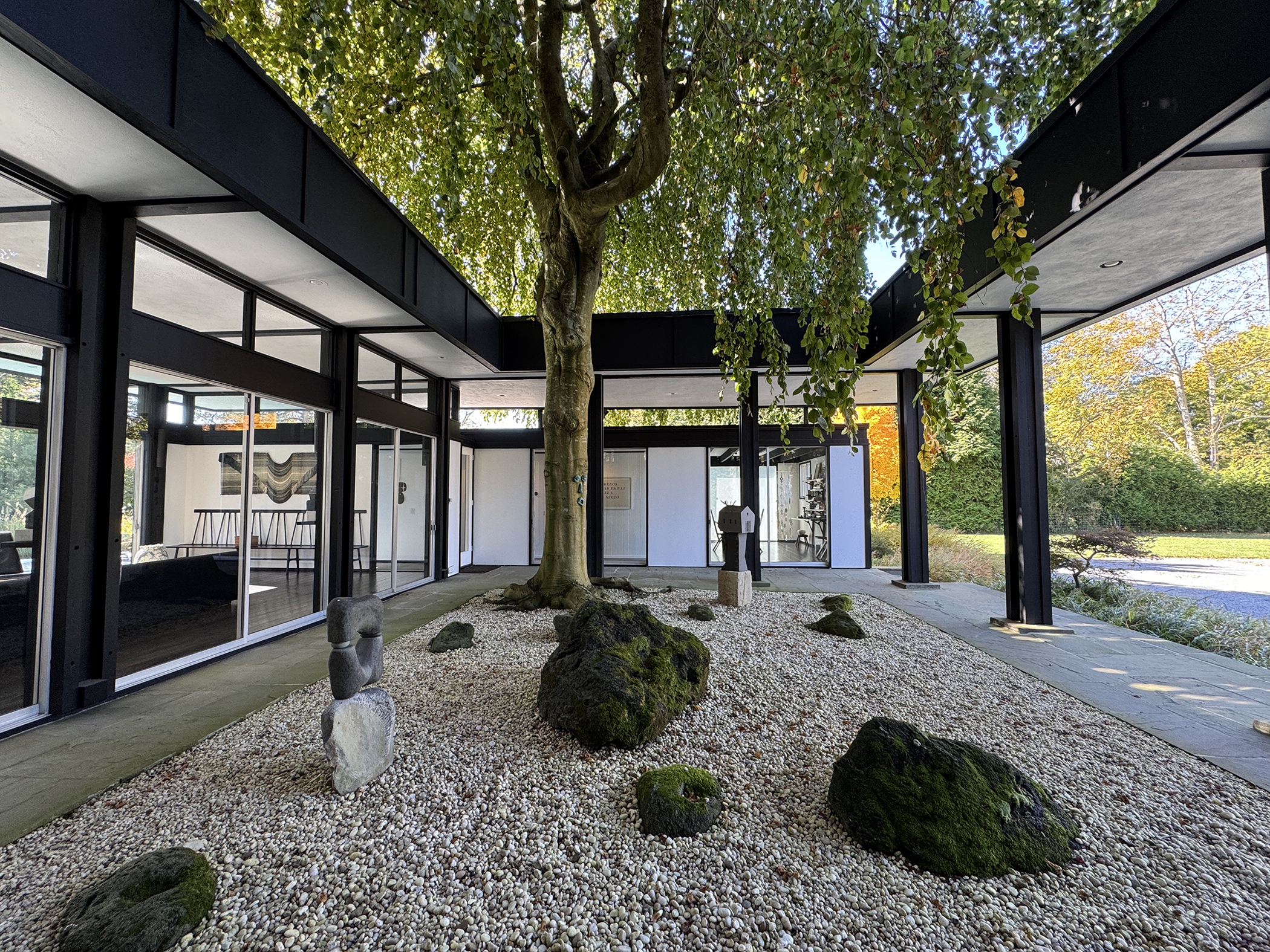
Share on Facebook Share on Twitter Share through email Published 3 days ago Last updated 2 days ago When Onna House was built, the beech tree was left in place and has since grown to cover the entire structure. Durell Godfrey By Mark Segal November 19, 2026 The East Hampton Historical Society's 38th annual House and Garden Tour will open the doors of five noteworthy homes for self-guided tours on Nov. 28 from 1 to 4:30 p.m. A benefit cocktail party will be held the night before, on Friday, Nov. 27, from 6 to 8 at the East Hampton residence of Mary Jane and Charles Brock, whose house, originally built in 1799 for Jeremiah Miller, was moved back from the street and expanded in the 1880s. "The House and Garden Tour offers guests a one-of-a-kind opportunity to go behind the doors of some of East Hampton's most distinctive homes," said Dale Ellen Leff, a trustee of the society who chairs its special events committee.
This excerpt comes from the named source. Read the original for the full reporting.
Read the original at The East Hampton Star


