Local
Flatiron Energy Breaks Ground on Chelsea Battery Storage Project; Consigli Construction Leads Work
A Roundtable is a way to meet new people and discuss this article in person at a local coffee shop or other venue.
Roundtables are designed for groups of four, with a shared subject and room for everyone to speak. Come for discussion, with no dating expectation.
Source: Boston Real Estate Times
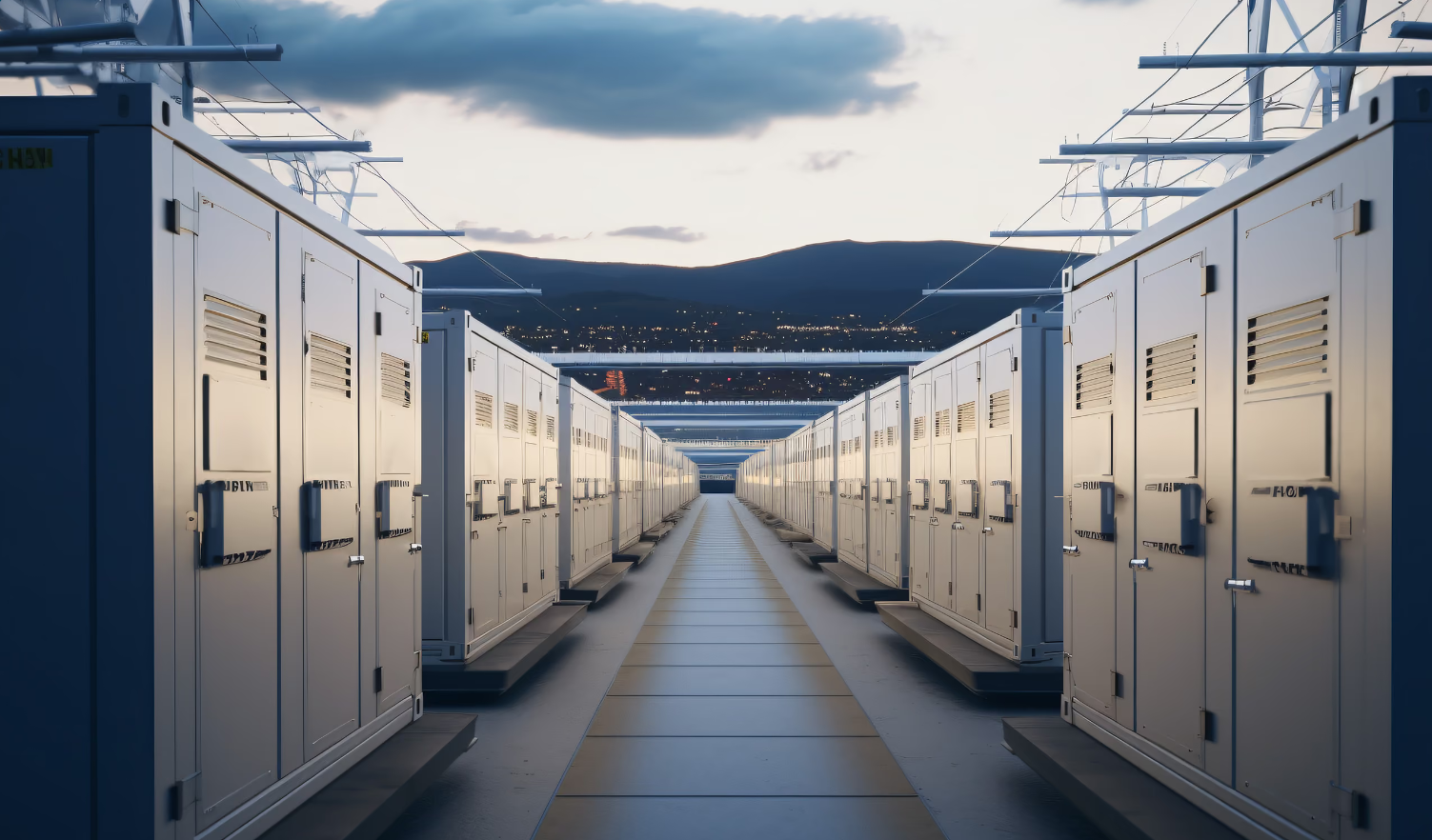
Development The 250-megawatt facility is expected to become the Northeast’s largest battery energy storage project and begin operating in late 2027. CHELSEA, Mass. — Flatiron Energy has broken ground on Energizar, a 250-megawatt, 1,200-megawatt-hour battery energy storage project in Chelsea that is expected to become the largest facility of its kind in the Northeast. The groundbreaking ceremony brought together Massachusetts Lieutenant Governor Kim Driscoll, state and local officials, community and project partners, and construction and labor representatives. When completed, Energizar will store electricity when demand is lower and deliver it during periods of peak demand. The project is designed to strengthen grid reliability and resilience across Greater Boston while providing flexible capacity to support the region’s energy needs. “Projects like Energizar are helping us build a more reliable and affordable energy future,” Driscoll said.
This excerpt comes from the named source. Read the original for the full reporting.
Read the original at Boston Real Estate Times


