Local
Floyd Norman Made Walt Disney Laugh at His Own Expense; Now He’s Getting an Oscar for Bringing Disney’s Most Beloved Characters to Life
A Roundtable is a way to meet new people and discuss this article in person at a local coffee shop or other venue.
Roundtables are designed for groups of four, with a shared subject and room for everyone to speak. Come for discussion, with no dating expectation.
Source: Atlanta Black Star
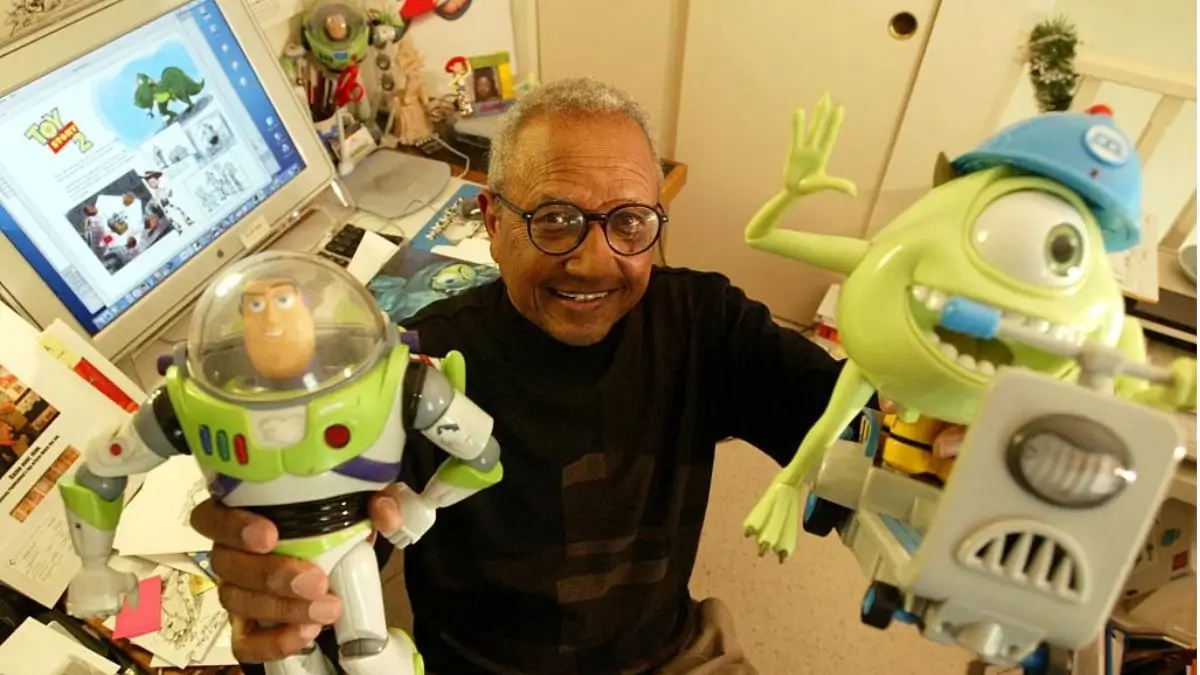
Floyd Norman may not be a name people immediately recognize, but his work is easily recognizable. Norman is Disney’s first African American artist to contribute to some of its most popular children’s programs, such as “Sleeping Beauty,” “Tom & Jerry,” and “Monsters, Inc.” The Walt Disney Company hired him in 1956, when he was 21. For nearly five decades, he brought cartoon characters to life through his doodles until the company asked him to retire in 2000. But Norman couldn’t get enough of the job and decided to return, uncompensated, as a mentor to other animators. After 70 years, Norman finally received long-overdue recognition for his trailblazing work with an honorary Oscar on Sunday, Nov. 15. During his acceptance speech, he shared that his parents took him to the movies as a kid. It helped him learn storytelling techniques, including lighting, composition, and sound. His family clearly saw his love of movies and his talent.
This excerpt comes from the named source. Read the original for the full reporting.
Read the original at Atlanta Black Star


