Local
Following Initial Confusion, Attempted Murder Suspect Gets Retrial Date
A Roundtable is a way to meet new people and discuss this article in person at a local coffee shop or other venue.
Roundtables are designed for groups of four, with a shared subject and room for everyone to speak. Come for discussion, with no dating expectation.
Source: Baltimore Witness
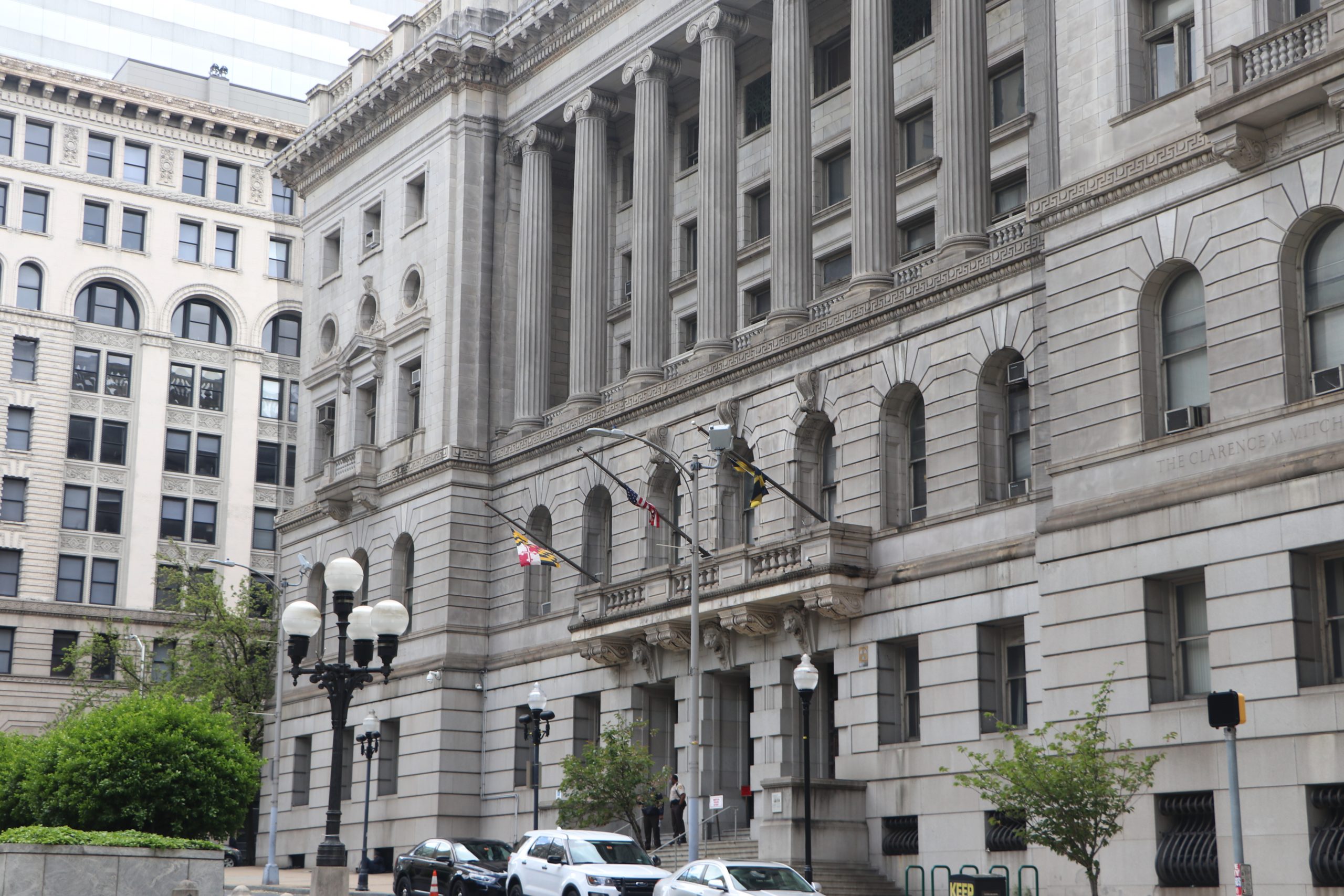
In a situation the prosecutor called “inexplicable”, an attempted murder suspect was previously scheduled for sentencing. Instead the hearing resulted in a retrial date for attempted murder. Travis Maynor, 46, was initially charged in a 22 count indictment with attempted first-degree murder, armed robbery, first-degree assault and multiple firearm-related offenses. The counts stem from a shooting on Aug. 20, 2024 that left one man critically injured at the Carroll Motor Fuels gas station on the 4100 block of Patterson Avenue. The incident was captured on surveillance video. Police allegedly identified Maynor as a shooter when he took off a Halloween mask. The next day, according to a police report, Maynor was identified as a walk-in shooting victim at Grace Medical Center. Maynor said he heard three gunshots that appeared to come from a Black Honda coupe on the 2700 block of West Franklin Street, then realized he was wounded. On Aug.
This excerpt comes from the named source. Read the original for the full reporting.
Read the original at Baltimore Witness