Local
Forensics Students Earn National Honors
A Roundtable is a way to meet new people and discuss this article in person at a local coffee shop or other venue.
Roundtables are designed for groups of four, with a shared subject and room for everyone to speak. Come for discussion, with no dating expectation.
Source: Syracuse University News
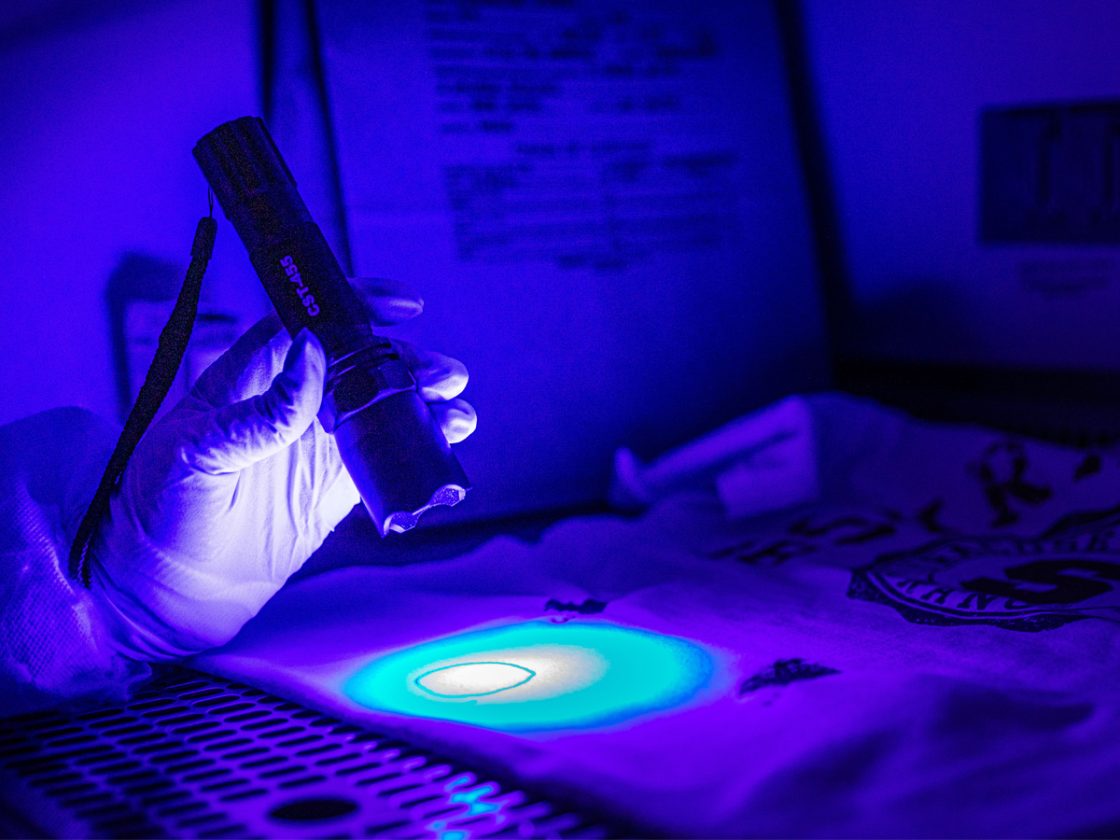
STEM (Photo by Marilyn Hesler) STEM Forensics Students Earn National Honors A quartet of graduate students has been awarded scholarships and funding to support their continued research and education. Dan Bernardi Nov. 19, 2026 Estimated Reading Time: Share × Video Player Four graduate students in the College of Arts and Sciences’ Forensic and National Security Sciences Institute (Forensics Institute) have earned national recognition for their academic achievement and research. Sam Conn, Jilliyn Lundeen, Jordan Murch and Yasmin Paez have been awarded competitive scholarships and grant funding from the International Association of Identification (IAI) and the American Academy of Forensic Sciences (AAFS), supporting their continued education and research. “This recognition speaks to the exceptional caliber of students in our program,” says Kathy Corrado, director of the Forensics Institute.
This excerpt comes from the named source. Read the original for the full reporting.
Read the original at Syracuse University News