Local
Former penitentiary warden becomes author
A Roundtable is a way to meet new people and discuss this article in person at a local coffee shop or other venue.
Roundtables are designed for groups of four, with a shared subject and room for everyone to speak. Come for discussion, with no dating expectation.
Source: Minot Daily News
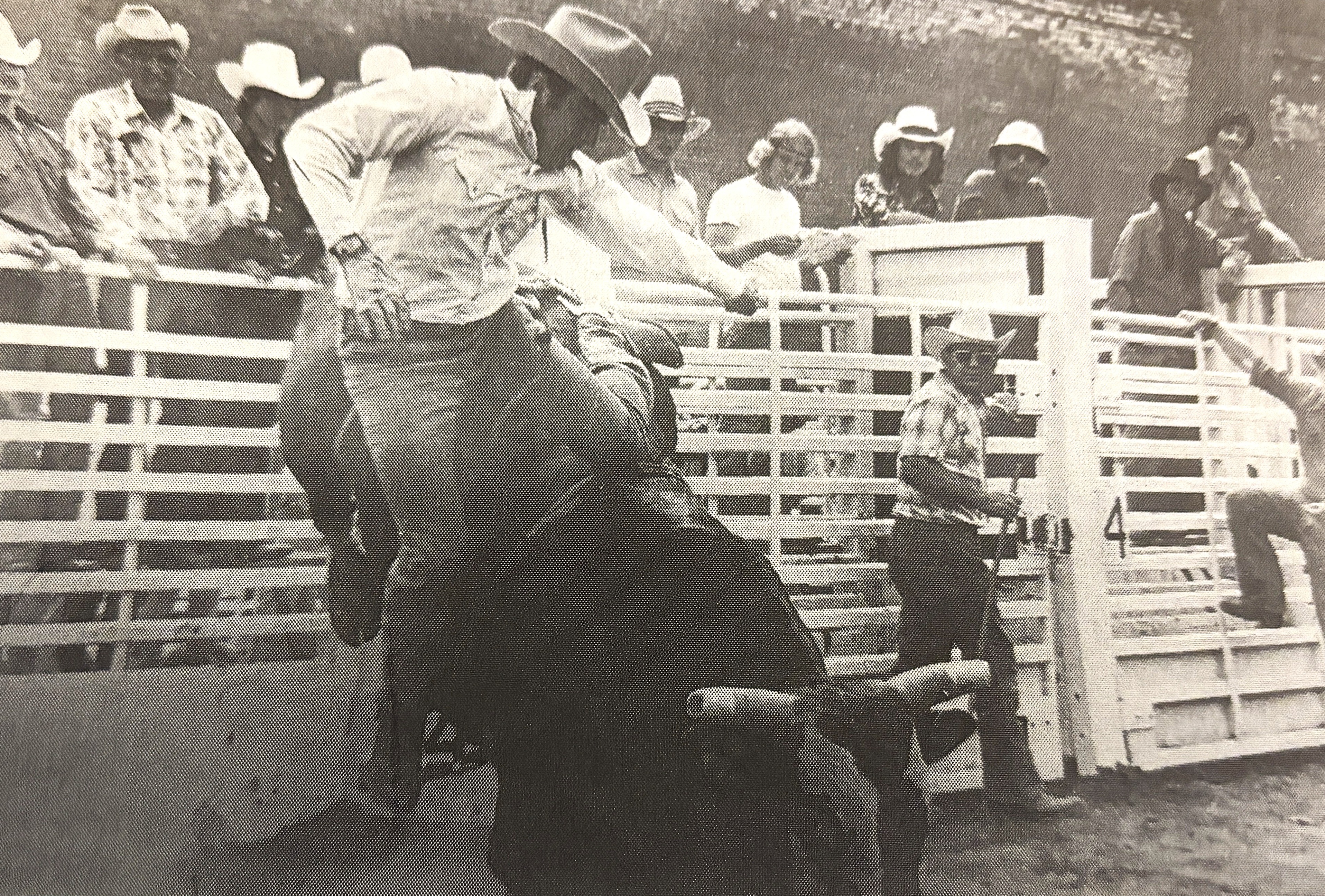
Over the years, North Dakota native Winston Satran has done many jobs. He’s worked his whole life and even helped reshape the modern North Dakota State Penitentiary as a prison warden, aiding in the introduction of programs focused on education and rehabilitation. “I was a warden for seven years, then I went to Home on the Range and then I became the vice president of the Theodore Roosevelt Foundation,” Satran said. “I totally retired and I was appointed to be the director of the Horse Racing Commission.” Satran was raised in Mohall after his father passed away. He was born in Tolley. “We moved to Mohall and then I went to Minot State for a couple of years,” Satran said. “While I was there I was working at Dakota Boys Ranch. I needed to work. After my father passed away, he had a little store and we had next to no income. My mother and I took my brother and I into the living room and gave us a lecture about work.
This excerpt comes from the named source. Read the original for the full reporting.
Read the original at Minot Daily News