Local
Francisco Tonarely
A Roundtable is a way to meet new people and discuss this article in person at a local coffee shop or other venue.
Roundtables are designed for groups of four, with a shared subject and room for everyone to speak. Come for discussion, with no dating expectation.
Source: IdeaMensch
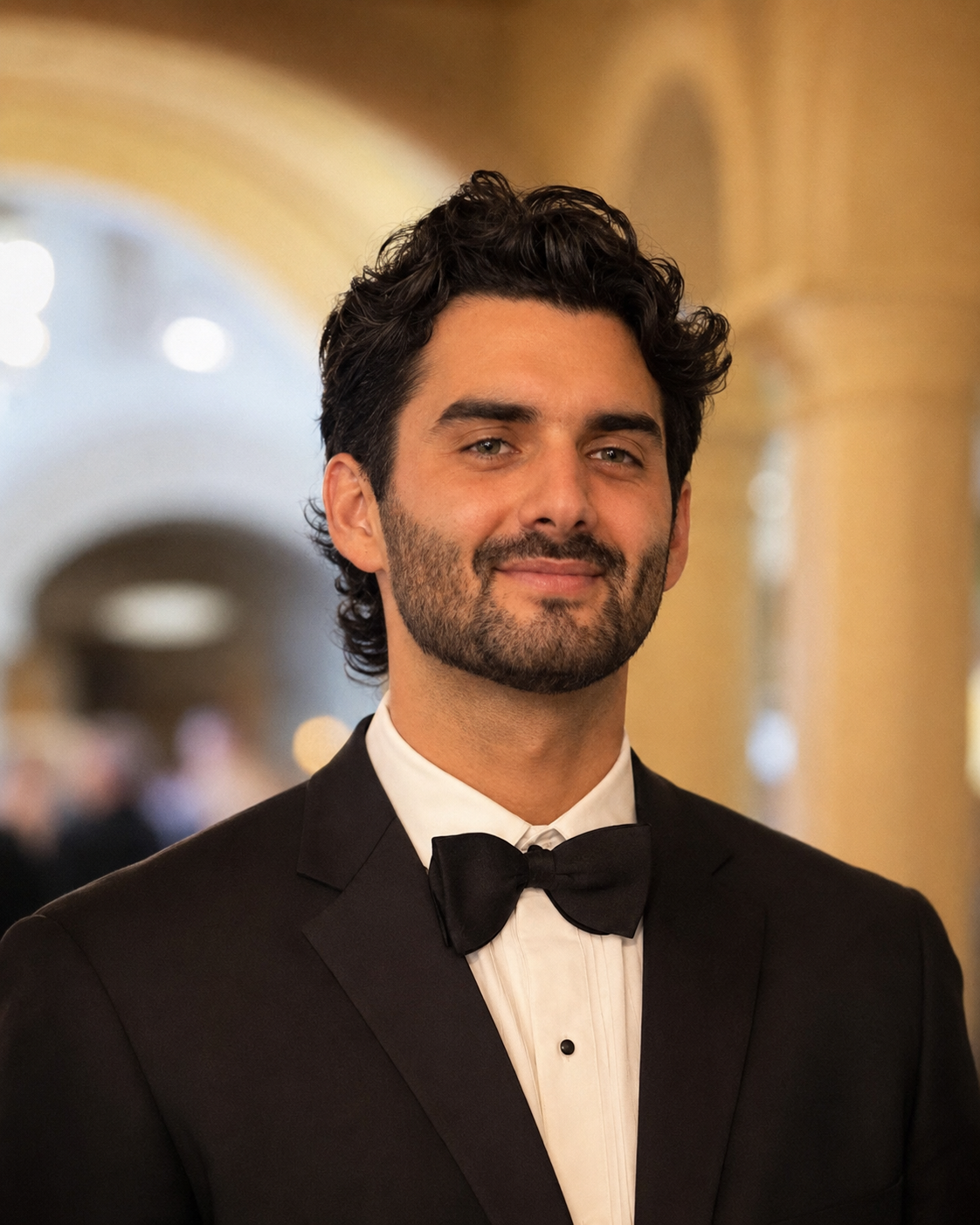
has always been interested in discovering what comes next. From growing up near the ocean in Miami to building a career in enterprise technology in New York, his experiences reflect a willingness to explore new opportunities and learn along the way. Raised in Miami, Florida, Francisco grew up in a close-knit family and developed an early appreciation for sports and outdoor activities. He attended Gulliver Preparatory School, where he played lacrosse and graduated in 2017. The sport became an important part of his life, teaching him how to work with others, handle pressure, and improve through practice. Francisco continued playing lacrosse at Bard College in New York. His educational journey later took him to Suffolk University and Penn State World Campus, where he has continued working toward his undergraduate degree. Moving between different schools and cities introduced Francisco to new people and environments.
This excerpt comes from the named source. Read the original for the full reporting.
Read the original at IdeaMensch


