Local
Fred Allen Worley II, 64, of Newport News | Williamsburg Yorktown Daily
A Roundtable is a way to meet new people and discuss this article in person at a local coffee shop or other venue.
Roundtables are designed for groups of four, with a shared subject and room for everyone to speak. Come for discussion, with no dating expectation.
Source: Williamsburg Yorktown Daily
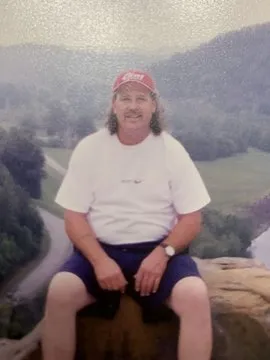
Fred Allen Worley II, 64, went home to be with the Lord on October 26, 2026, surrounded by his loving family. Born in Bristol, Tennessee, Fred spent most of his life in Newport News, Virginia, but Tennessee always held a special place in his heart. He loved his home state, and you better believe he loved his Tennessee Volunteers! He was also a die-hard Washington Redskins fan, and whether they were winning or losing, he was cheering them on. Fred was a hardworking electrician who truly enjoyed his work. But more than that, he loved helping people. He was the kind of man who would lend a helping hand without expecting anything in return. He never met a stranger and had a heart that didn’t judge others. It didn’t matter who you were, where you came from, or what you had been through. Fred treated people with kindness and believed everyone deserved a chance. He enjoyed the simple things in life.
This excerpt comes from the named source. Read the original for the full reporting.
Read the original at Williamsburg Yorktown Daily


